
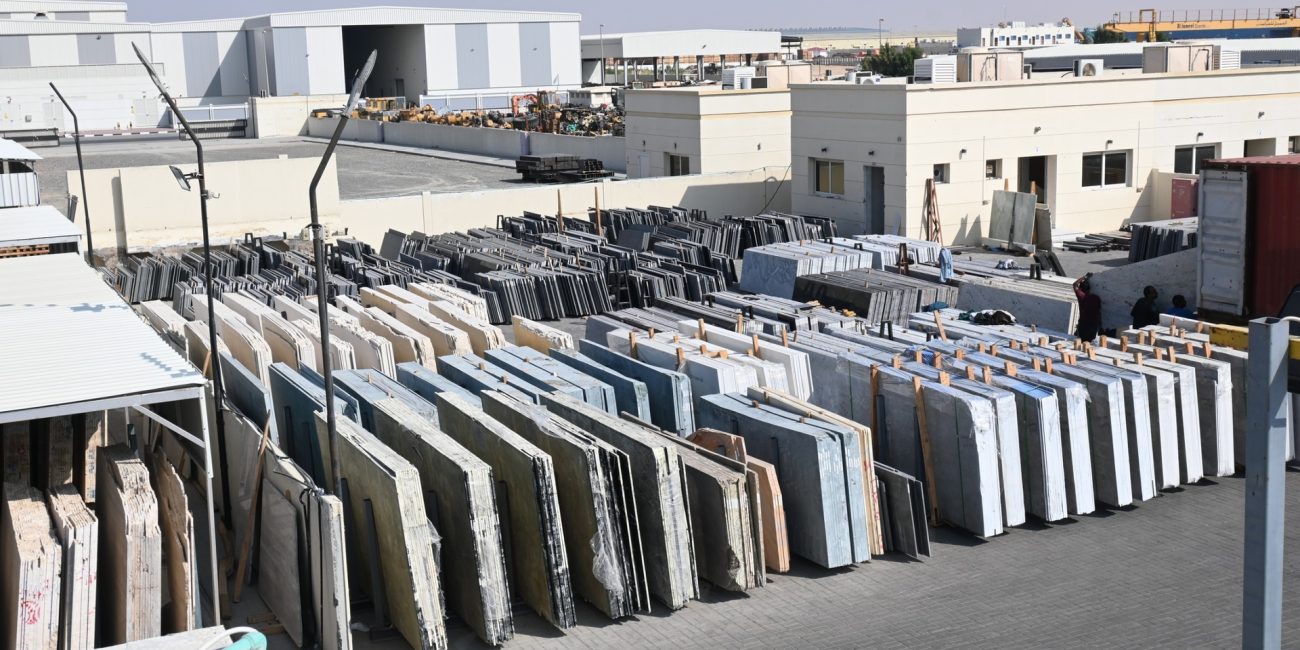
Selecting the right natural stone for a high-end project is a high-stakes decision where aesthetic beauty must match the practical demands of the Gulf’s distinct environment. The best marble for flooring in the UAE provides a naturally cool, prestigious interior solution that eliminates the stress of heat-trapping surfaces and rapid wear.
This guide delivers a direct, expert-vetted roadmap to choosing slabs that resist sand abrasion and maintain their lustre in 2026’s luxury developments. By focusing on density, thermal mass, and proven varieties, property owners can move from the frustration of selection fatigue to the confidence of a durable, high-value investment.
What are the Best Marble Varieties for Flooring in the UAE?
Choosing the right stone requires more than just an eye for beauty; it necessitates an understanding of how different marble slabs react to high traffic and the local environment. Below are the expert-recommended structural varieties for contemporary architectural layouts.
1. Palisandra (Palissandro) Marble
Sourced primarily from Italy, Palisandra marble is a designer favourite for its “woody” or sandy appearance. Unlike traditional veined marbles, it features horizontal bands of blue, grey, and cream.
- Best For: Large living areas where a sense of movement is desired.
- Pro Tip: Due to its hardness, it is more resistant to the fine sand scratches common in the UAE.
2. Bianco Ibiza Marble
A Mediterranean classic, Bianco Ibiza marble offers a crisp, white background with very light, misty grey veining. It is the go-to for minimalist Emirati homes.
- Best For: High-brightness rooms where light reflection is a priority.
- Advantage: Its high density makes it less prone to moisture absorption in humid coastal areas.
3. Calacatta Athena Marble
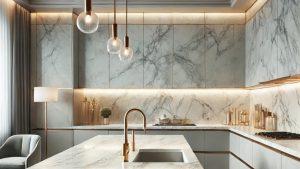
Calacatta Athena marble represents the peak of luxury. It features bold, dramatic grey veins against a milky white base.
- Best For: Entrance foyers and “hero” walls.
- Note: It is often used in bookmatched patterns to create a symmetrical art piece on the floor.
4. Saint Laurent Marble
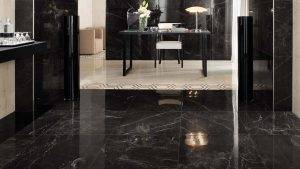
For those seeking a “moody” or masculine aesthetic, Saint Laurent marble offers a deep cocoa or black base with white and gold linear veins.
- Best For: Executive offices, luxury bathrooms, or formal dining rooms.
- Recommendation: Pair this with warm lighting to make the gold veins pop.
5. Marmara Marble (Equator Marble)
Identifiable by its distinct, parallel grey stripes, Marmara Marble brings a structured, architectural feel to a space.
- Best For: Modern corridors or bathrooms where symmetry is key.
- Snippet Target: Why is Marmara Marble unique? Its linear veins allow for a continuous visual flow, making small rooms appear longer.
6. Grigio Orobico Marble
Grigio Orobico Marble is a wild, polymorphic stone featuring shades of grey, black, and even hints of yellow/orange.
- Best For: Creative spaces or as a contrast against neutral furniture.
- Maintenance: Its busy pattern is excellent at hiding the occasional minor scuff or dust.
7. Gold Portoro Marble
Often cited as the most expensive marble in the world, Gold Portoro marble is a deep black stone with intense golden veining.
- Best For: Ultra-luxury powder rooms or border detailing.
- Caution: Because it is a softer stone, it should be placed in areas with lower foot traffic.
8. Moon Beige Marble
In the UAE, beige remains a timeless staple. Moon Beige marble offers a warm, neutral tone that complements traditional Arabic décor.
- Best For: Entire villa flooring to create a seamless, expansive look.
- Value: Usually more affordable than white Italian marbles, making it perfect for large-scale developments.
Why Is Marble the Preferred Choice for UAE Flooring?
The best marble for flooring in the UAE offers superior thermal cooling properties, extreme structural durability, and an irreplaceable luxury aesthetic. Heavy mineral varieties like Palisandra and Bianco Ibiza marble are highly favoured because of their proven ability to withstand the region’s intense heat and tracking sand while significantly boosting property resale value in high-end luxury hubs.
|
Benefit |
Impact on UAE Projects |
|
High Thermal Mass |
The marble stone remains naturally cool to the touch, drastically reducing the heat island effect inside large villas. |
|
Exceptional Durability |
High-quality stone selections can easily last over 50 years when treated with the correct deep-penetrating sealers. |
|
Aesthetic Premium |
Installing recognised master-grade marble stone increases the resale value of a luxury property by up to 15%. |
|
Elite Hygiene |
Authentic natural stone is fully hypoallergenic; its non-porous face cannot harbour dust mites, fine desert sand allergens, or mould. |
How Does Marble Compare to Other Stones for Flooring?
When consulting with a marble supplier in the UAE, clients often weigh marble against granite or quartz.
Is Marble Better Than Granite for Flooring?
While granite is harder, marble offers “fluidity” in its design that granite cannot match. For luxury residential projects, marble is almost always preferred for its elegant veining. Granite is typically reserved for commercial kitchens or high-traffic exterior walkways.
Marble vs Quartz: Which is Better for the UAE Climate?
Quartz is an engineered stone (man-made). While it is non-porous, it contains resins that can be sensitive to the extreme UV rays found in the UAE. For sun-drenched sunrooms or areas with large floor-to-ceiling windows, natural marble stone is the safer, more UV-stable choice.
What Role Does a Professional Marble Supplier in the UAE Play?
A project’s success depends heavily on the source. A top-tier marble supplier in the UAE provides more than just raw material; they act as a technical partner throughout the construction life cycle.
- Material Origin Verification: Ensuring the marble slabs are authentic Italian, Greek, or Turkish stone rather than low-grade imitations. This includes providing certificates of origin and technical data sheets.
- Dry-Lay Services: The supplier lays out the slabs in their warehouse, so the client can approve the vein flow and colour transitions before installation begins.
- Technical Sealing: Applying industrial-grade hydrophobic sealers specifically designed to withstand the Middle Eastern climate and high humidity levels.
- Custom Fabrication: Utilising high-precision machinery like water jet cutters and CNC routers to ensure that every corner and edge fits the architectural blueprint with millimetre accuracy.
- Logistics Management: Coordinating heavy-load transport and specialised crane lifting for high-rise installations, ensuring the stone arrives without structural micro-fractures.
How to Maintain Your Marble Flooring in a Desert Environment?
To keep the best marble for flooring looking pristine for decades, a dedicated maintenance approach is required to counteract the naturally abrasive elements of a desert climate.
Daily Dust Mopping
The immediate removal of fine desert sand is absolutely critical. If left on the floor, fine sand acts exactly like sandpaper underfoot, grinding away your stone’s natural factory polish over time. Use a clean, dry microfiber dust mop daily.
pH-Neutral Cleaning Protocols
Never use standard grocery-store vinegar, harsh ammonia, or lemon-based solutions. These acidic substances will instantly etch the surface layer of your marble stone, leaving behind rough, permanent, dull splotches. Stick to specialised pH-neutral stone cleaners strictly.
Specialised Annual Resealing
In high-exposure areas like main entryways, reception foyers, and busy hallways, professional resealing every 12 months is highly recommended. This forms an invisible barrier that completely blocks water penetration and deep-seated organic oil staining.
Immediate Spill Management
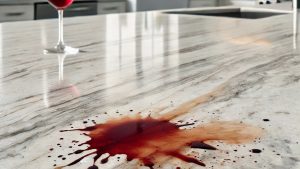
Because marble stone features natural micro-pores, high-pigment liquids like dark coffee, red wine, or citrus juices must be immediately blotted with a soft cloth rather than wiped across the floor. Wiping spreads the liquid into the surrounding veins, while blotting draws it directly out.
Strategic Walk-off Mats
Placing premium, heavy-duty mats at all primary villa thresholds and terrace doors captures incoming sand particles and outdoor grit before they can ever make contact with your polished stone layout.
Conclusion
Selecting the best marble for flooring is a sophisticated decision that perfectly merges master craftsmanship with long-term durability. In a region defined by intense seasonal temperatures, fine desert dust, and luxury architectural standards, selecting a stone that balances structural durability with raw visual elegance is essential.
Whether you opt for a variety with dramatic, cutting veins like Calacatta or choose the soft, expansive warmth of premium beige tones, the true secret to project longevity lies in precise sourcing and material knowledge.
By partnering with an experienced, highly reputable marble supplier in the UAE markets, property owners can gain exclusive access to first-choice blocks, technical dry-lay matching, and advanced sealing support. In conclusion, when you choose marble properly and manage it with professional care, the floor will preserve its natural shine, value, and flawless structural integrity for generations.
Frequently Ask Question
Which marble is best for a small flat in Dubai?
For smaller spaces, Bianco Ibiza or Marmara Marble are excellent choices. Their light colours and linear veins help reflect light and make the flat look larger and more open.
Should I choose a polished or honed finish for my UAE villa?
While the marble slab price is often the same for both finishes, honed marble is more forgiving of “etching” (chemical dulling), whereas polished marble is denser and generally requires less frequent sealing (every 6–12 months).
Does marble flooring get slippery?
Polished marble can be slippery when wet. For bathrooms or entryways, it is better to choose a “honed” or “satin” finish, which provides more grip while maintaining a luxurious look.
Can I use marble for my outdoor patio in Abu Dhabi?
Yes, but avoid polished finishes. Sandblasted or “bush-hammered” marble is ideal for the outdoors, as it provides slip resistance and won’t show wear from sand and wind as easily.
Why is my marble turning yellow?
This is often caused by the oxidation of iron minerals within the stone or the use of incorrect cleaning chemicals. Using a professional marble supplier in the UAE ensures you receive stone that has been properly tested and treated to prevent discolouration.