
Stepping into a well-designed living room should feel like a deep breath. It is the visual anchor of your entire house, the place where morning coffee happens, where guests naturally gather, and where you unwind at the end of the day.
Decorating a living room involves balancing comfort, practical layout, and your personal style. Whether you are moving into a new home or refreshing a familiar space, this guide covers actionable home decor ideas for living room styling. You will explore foundational layouts, wall accents, surface materials, and expert layering techniques to turn your living space into a functional retreat.
If you are starting a broader design journey, explore these creative home decor ideas for practical design inspiration.
How do you decorate a living room?
To decorate a living room, start by planning the layout, choosing a cohesive color palette, investing in comfortable furniture, layering lighting, selecting durable flooring, adding rugs and textiles, incorporating natural materials, introducing plants, and finishing with artwork and accessories. Focus on balance, functionality, and your personal style rather than filling the room with décor.
What Makes a Well-Decorated Living Room?
A well-decorated living room balances beauty with everyday utility. It relies on a clear spatial layout, a cohesive color palette, comfortable seating, layered lighting, and natural materials.
Essential Elements of Living Room Decor
- Functional Layout: Clear walking paths that encourage conversation and easy movement.
- Cohesive Color Palette: A primary base color paired with two or three complementary accent tones.
- Layered Lighting: A blend of overhead fixtures, task lamps, and warm ambient accent lights.
- Proportional Furniture: Seating and tables sized accurately to match your room’s square footage.
- Textured Surfaces: A mix of soft fabrics, warm woods, polished metals, and natural stone.
Before You Start Decorating Your Living Room
Jumping straight into buying accessories often leads to mismatched clutter. Taking a few intentional prep steps ensures your decorating decisions stay on track.
- Measure Your Space: Measure your room’s dimensions, window heights, and doorway clearance before buying furniture. Knowing your exact footprint prevents buying rugs that look like bathmats or sofas that block natural walkways.
- Define Your Lifestyle Needs: Design for how you live daily, not just for special occasions. Families with pets or young children benefit from performance fabrics and rounded coffee tables. Frequent hosts may prefer flexible modular seating.
- Establish a Clear Budget: Divide your funds logically: invest 50% in core foundation pieces (sofa, flooring, and lighting) and allocate the rest for secondary decor like rugs, artwork, and window treatments.
- Identify Your Focal Point: Every living room needs an anchor point, a fireplace, an architectural TV wall, or a large picture window. Position your primary seating to face this central feature.
How to Choose the Right Living Room Style
Selecting a consistent design direction keeps your living room cohesive. Here is how popular styles compare:
|
Style |
Best For |
Key Features & Materials |
|
Modern |
Urban homes & open layouts |
Clean lines, sleek metal, low-profile sofas |
|
Minimalist |
Uncluttered, quiet spaces |
Muted neutrals, hidden storage, simple silhouettes |
|
Contemporary |
Trend-forward interiors |
Curved furniture, statement lighting, textured walls |
|
Scandinavian |
Cozy, bright atmospheres |
Light oak timber, warm textiles, biophilic plants |
|
Industrial |
Loft spaces & urban apartments |
Exposed brick, matte black metal, raw wood accents |
|
Traditional |
Classic, formal homes |
Crown moulding, rich wood tones, tailored upholstery |
|
Luxury |
Grand, high-ceiling rooms |
Natural stone slabs, brass details, velvet upholstery |
Top 25 Home Decor Ideas for Living Room
A. Layout & Furniture Ideas
1. Create a Functional Seating Zone
Arrange your sofa and armchairs toward each other to form a comfortable conversation circle. Keep seating within 8 to 10 feet of each other so guests do not have to raise their voices.
2. Choose a Statement Sofa
Your sofa is the visual anchor of the room. Select a high-quality frame upholstered in neutral bouclé, performance linen, or durable leather.
3. Add Accent Chairs for Visual Balance
Balance a large sofa with two sculptural accent chairs opposite it. Chairs with exposed wooden or metal legs keep sightlines open.
4. Use Multi-Functional Furniture
Incorporate storage ottomans, nesting coffee tables, or bench seating. Flexible furniture keeps clutter out of sight while providing extra guest seating when needed.
5. Layer Table Heights
Combine a low-profile central coffee table with taller side tables next to armchairs. Varying surface heights makes your seating setup feel organic and functional.
B. Wall & Ceiling Ideas
6. Design an Architectural Feature Wall
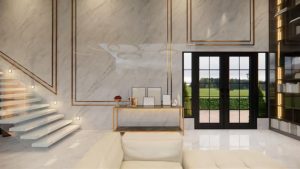
Give your living room character with a dedicated feature wall. Use vertical wood slat panels, textured limewash paint, or book-matched stone cladding behind your entertainment console.
7. Decorate with Oversized Artwork
Instead of cluttering walls with tiny frames, choose a single large canvas. Hang artwork so its center sits at eye level (around 57 to 60 inches from the floor).
8. Install Floating Shelves
Mount minimalist wooden or metal floating shelves above your media console or reading corner. Style them with a mix of books, ceramic vases, and trailing plants.
9. Add Decorative Mirrors
Position a large wall mirror opposite a window to bounce natural daylight deeper into the room, making dark corners look brighter and larger.
10. Highlight Ceiling Details
Incorporate subtle cove LED lighting, ceiling medallions, or painted beams to draw the eye upward and emphasize ceiling height.
C. Flooring & Surface Ideas
11. Choose Premium Flooring Materials
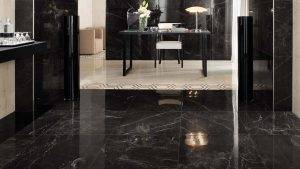
Your floor sets the backdrop for the entire space. High-traffic living areas benefit from long-lasting surfaces like large-format porcelain slabs, engineered hardwood, or natural stone.
When installing natural stone flooring, source your material from a certified marble supplier to ensure proper slab density, smooth finishing, and color consistency.
12. Layer Area Rugs for Comfort
An area rug grounds your seating zone. Select a rug large enough that at least the front two legs of all major furniture pieces rest comfortably on top of it.
13. Introduce Natural Stone Coffee Tables
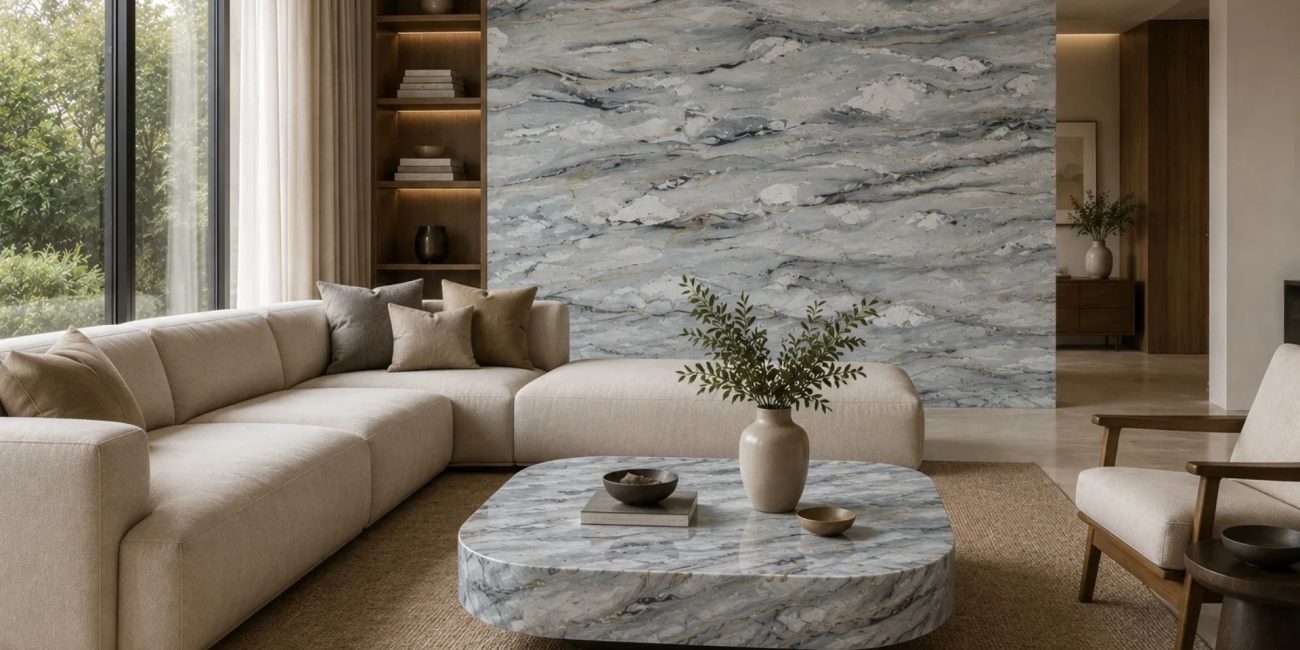
Anchor your seating area with a stone coffee table. Table surfaces made with natural granite stone or marble offer scratch resistance and timeless visual appeal.
- Marble: Elegance & unique natural veining.
- Granite: Maximum heat & scratch protection.
- Quartz: Non-porous & stain-resistant surface.
D. Lighting Ideas
14. Layer Your Ambient, Task, and Accent Lights
Combine overhead recessed downlights, floor reading lamps, and decorative table lamps. Controlling each light layer independently lets you shift the mood from bright morning prep to cozy evening relaxation.
15. Hang a Statement Pendant Light
Install a sculptural chandelier or large woven pendant light above the center of your coffee table to create an immediate focal point.
16. Highlight Architectural Details
Use hidden LED strip lights along floating shelves, behind TV panels, or under floating joinery to create a warm, modern glow.
E. Color & Texture Ideas
17. Build Around Warm Neutrals
Swap cold grey paints for soft sand, warm beige, travertine cream, or taupe. Neutral bases make living spaces look airy while allowing easy seasonal color updates through accessories.
18. Add Tactile Fabrics
Mix different textile weaves to create depth without visual noise. Pair a linen sofa with bouclé throw pillows, a velvet accent chair, and a chunky knit wool throw blanket.
19. Mix Natural Interior Materials
Combine hard stone surfaces with warm timber, matte black steel, and sheer linen drapery. Blending cold and warm materials brings balance to modern living rooms.
F. Decorative Styling Ideas
20. Decorate with Biophilic Plants
Bring natural freshness indoors with hardy indoor greenery like fiddle-leaf figs, monsteras, or snake plants. Position plants near window corners or on side tables to break up hard architectural lines.
21. Style Your Coffee Table
Use the “Rule of Threes” when styling your coffee table surface. Combine a stack of design books, a ceramic bowl or candle, and a small floral vase on a decorative tray.
22. Style Open Bookshelves
Keep open shelving uncluttered by mixing books displayed vertically and horizontally. Intersperse decorative objects, framed photos, and small trailing plants to maintain visual airiness.
23. Hang Personal Gallery Artwork
Display personal travel prints, framed sketches, or family photography using matching frames and generous matting for a curated look.
24. Use Accessories Sparingly
Focus on quality decorative items over quantity. A few sculptural, hand-crafted ceramic pieces make a stronger design impact than a crowded table full of small trinkets.
25. Refresh Decor Seasonally
Swap heavy velvet cushions and dark throws for crisp linen fabrics and lighter accent colors when warmer seasons arrive.
Home Decor Ideas for Small Living Room
Designing a compact layout requires smart spatial management. Implementing tailored home decor ideas for small living room layouts keeps the footprint functional and open.
|
What to Do |
What to Avoid |
|
Use light neutral paint colors to reflect daylight |
Avoid dark, heavy wall paints that close off corners |
|
Choose floating wall shelves & cabinets |
Avoid bulky, floor-bound storage units |
|
Select furniture with exposed legs |
Avoid heavy skirts or solid block bases |
|
Install oversized wall mirrors |
Avoid small, cluttered wall decor collections |
|
Use nesting or round coffee tables |
Avoid sharp, boxy, rectangular coffee tables |
Home Decor Ideas for Big Living Room
Spacious layouts bring a different challenge: preventing a large room from feeling cold or empty. Tailored home decor ideas for big living room spaces focus on building cozy zones.
- Divide the Room into Functional Zones: Create a primary media seating group alongside a secondary cozy reading nook or game table.
- Anchor with Oversized Area Rugs: Use large area rugs to visually define each functional seating zone.
- Incorporate Statement Furniture: Scale up your furniture pieces, use extra-deep sectional sofas, large stone coffee tables, and tall floor lamps.
- Add Tall Indoor Trees: Place large potted plants like areca palms or ficus trees in empty corners to fill vertical volume gracefully.
How to Layer Living Room Decor Like a Designer
Professional designers build spaces in logical sequence. Following this layer order prevents decorating errors:
- Layer 1: Structural Foundations: Flooring, wall paint, stone cladding, and wallpaper.
- Layer 2: Core Anchors: Primary sofa, media console, and main area rugs.
- Layer 3: Secondary Seating & Lighting: Accent chairs, side tables, floor lamps, and pendants.
- Layer 4: Textiles & Soft Surfaces: Custom drapery, throw cushions, and wool blankets.
- Layer 5: Styling Accents: Wall art, living plants, tabletop books, and decorative objects.
Best Materials for Living Room Interiors
Choosing high-performance materials ensures your surfaces withstand daily wear while looking beautiful:
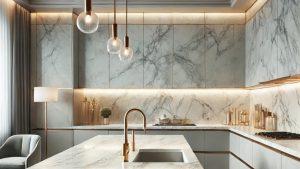
- Natural Marble: Excellent for feature TV walls, coffee tables, and entrance flooring; brings natural luxury.
- Granite: Highly durable and scratch-proof; ideal for heavy-use side tables and floor accents.
- Quartz: Stain-resistant and non-porous; perfect for sleek shelf tops and low-maintenance furniture accents.
- Solid Wood: Brings organic warmth to joinery, wall paneling, and table frames.
- Brushed Metal & Glass: Adds crisp modern lines to lighting fixtures, mirror frames, and decorative hardware.
Common Living Room Decorating Mistakes to Avoid
- Buying an Undersized Area Rug: Rugs that are too small make the whole room look cramped.
- Hanging Artwork Too High: Art should sit at eye level, roughly 58 to 60 inches from the floor to the canvas center.
- Pushing All Furniture Against Walls: Floating sofas away from walls creates better flow and conversation spaces.
- Relying Only on Overhead Lights: Using a single ceiling light source produces harsh shadows. Layer your lighting.
- Matching Every Single Piece: Avoid buying complete “matching sets” from a single showroom. Mixing vintage, custom, and modern pieces yields a more curated feel.
Living Room Decor Checklist
Use this quick checklist to track your living room design project:
- Measure room dimensions and mark door clearances
- Identify the main focal point (TV, fireplace, window)
- Pick a core color palette (1 base, 2-3 accents)
- Select durable flooring and an accurately sized rug
- Invest in a comfortable, scaled primary sofa
- Add secondary seating for conversation
- Layer ambient, task, and accent lighting fixtures
- Hang artwork at eye level
- Add living greenery for biophilic freshness
- Style coffee tables and open shelves simply
Conclusion
A well-decorated living room is built on thoughtful planning rather than expensive furniture or excessive accessories. As explored throughout this guide, every element plays an important role, from defining your style and planning the layout to choosing the right furniture, flooring, lighting, colors, textures, and decorative accents. Understanding how to decorate small and large living rooms, layer décor like a designer, avoid common mistakes, and select durable materials helps you create a space that is both visually appealing and practical for everyday living.
Whether you prefer a modern, minimalist, Scandinavian, or luxury interior, the best home decor ideas for living room spaces are those that reflect your lifestyle while maintaining comfort, balance, and functionality. By investing in timeless furniture, premium materials like marble, granite, and quartz, and carefully selected décor, you can transform your living room into a welcoming space that offers lasting beauty, value, and everyday comfort for years to come.
Frequently Ask Question
What is the first thing I should buy for my living room?
Start with your primary sofa and area rug. These two pieces take up the most visual real estate and dictate the scale, layout, and color palette for the rest of the room.
What size rug should I use in my living room?
A living room rug should be large enough for at least the front legs of your sofa and chairs to rest on it. In spacious living rooms, placing all furniture on the rug creates a more cohesive design, while smaller rooms benefit from rugs that define the seating area without making the space feel crowded.
What colors make a living room look bigger?
Soft neutral tones like off-white, light warm beige, pale taupe, and subtle sage reflect light effectively, making small living rooms look airy and expansive.
Is hiring an interior designer worth the cost?
Yes, hiring an interior designer is worth the cost if you’re planning a complete living room renovation, custom interiors, or luxury home upgrade. Designers help optimize layouts, choose the right materials, manage budgets, and avoid expensive mistakes. For smaller decorating projects, you can combine DIY styling with professional consultation to achieve better results at a lower cost.
How can I decorate a living room on a budget in Dubai?
To decorate a living room on a budget in Dubai, start with neutral wall colors, rearrange your existing furniture, upgrade lighting, add affordable rugs and cushions, and introduce indoor plants for a fresh look. Focus your spending on long-lasting items such as quality seating and flooring, then enhance the space over time with decorative accessories.
How do I make a large living room feel cozy?
You can make a large living room feel cozy by dividing it into functional seating zones, using oversized rugs, layering ambient and accent lighting, adding textured fabrics, and incorporating large indoor plants or statement artwork. Warm colors and balanced furniture placement also help create a more inviting atmosphere.
What colors work best in living rooms?
Neutral shades such as beige, cream, warm white, taupe, and soft gray are the most versatile colors for living rooms because they create a bright, timeless backdrop. You can introduce personality with accent colors like olive green, navy blue, terracotta, charcoal, or muted earth tones through cushions, artwork, and decorative accessories.
Which flooring is best for a living room?
The best flooring for a living room depends on your lifestyle and design goals. Marble offers timeless luxury, granite provides outstanding durability for high-traffic spaces, engineered wood adds warmth and comfort, while porcelain tiles offer a low-maintenance alternative that replicates natural stone and wood finishes.
How do I choose living room furniture?
Choose living room furniture by considering your room size, seating needs, decorating style, and daily lifestyle. Start with essential pieces such as a comfortable sofa and coffee table, then add accent chairs, storage units, and side tables that complement the layout. Select furniture that is proportional to the room and allows comfortable movement throughout the space.
How many lights should a living room have?
A living room should include three layers of lighting: ambient lighting for overall illumination, task lighting for reading or activities, and accent lighting to highlight artwork, feature walls, or decorative elements. Combining multiple light sources creates a balanced, functional, and welcoming living space.
How can I make my living room look luxurious?
To make your living room look luxurious, choose high-quality furniture, use premium materials such as marble, granite, or natural wood, layer different lighting sources, incorporate rich textures through rugs and fabrics, and keep the decor minimal yet intentional. A neutral color palette with statement artwork and elegant accessories further enhances the overall appearance.
Which natural stone is best for living room flooring?
Marble and granite are the two most popular natural stones for living room flooring. Marble is ideal for homeowners seeking a sophisticated, luxurious appearance with distinctive veining, while granite is better suited for busy households because it is harder, more scratch-resistant, and easier to maintain. The right choice depends on your preferred style, budget, and maintenance requirements.