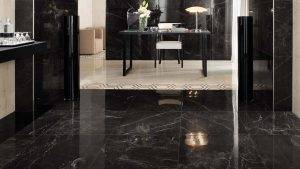


There is nothing quite like the sleek, luxurious look of fresh marble. It catches the light beautifully, elevates any room, and instantly adds a premium feel to your home.
But keeping that showroom shine alive in a busy household can feel like a constant battle.
The moment a glass of red wine gets placed a little too close to the edge, or a guest reaches for a generic chemical spray, a wave of panic sets in. Because marble is a natural stone, it is notoriously sensitive. One wrong move can leave behind dull spots, micro-scratches, or deep stains that seem impossible to fix.
Fortunately, protecting your investment doesn’t require a costly professional maintenance team.
This guide cuts through the online noise to give you a straightforward, stress-free blueprint to care for your marble surfaces like a pro. Whether you are managing marble floors, kitchen countertops, or bathroom vanities, keeping them flawless is remarkably simple once you use the right products and a proper sealing routine.
The Golden Rule of Marble Care: Clean with pH-neutral soap, dry fast, and test your sealant every 6 months.
Why Marble Requires Special Attention
To protect your natural stone, it helps to understand how it behaves during daily use. Unlike engineered quartz or laminate surfaces, natural marble is a porous rock filled with thousands of microscopic entry points. If left unprotected, spilled liquids quickly sink deep into these pores, leading to stubborn discoloration.
Furthermore, marble is primarily made of calcium carbonate. This mineral makes the stone highly sensitive to acids. When everyday liquids like citrus juice, vinegar, wine, or tomato sauce sit on bare marble, a chemical reaction occurs.
This reaction dissolves a microscopic layer of the polished finish, leaving behind a dull, rough mark called an etch.
Important Note: Etching is often mistaken for a stain, but it is actually a shallow chemical burn on the stone’s surface. It cannot be washed out; it must be polished away.
Guide to Marble Varieties and Specific Care Needs
Different types of marble feature distinct visual patterns and slightly different densities. Understanding your specific stone helps you customize your maintenance routine.
|
Marble Variety |
Key Visual Features |
Target Care Needs |
|
Carrara Marble |
Soft white background with delicate, feathery grey veins. |
Highly porous; requires instant spill cleanup to prevent deep discoloration. |
|
Statuario Marble |
Bright white canvas contrasted by bold, dramatic veining. |
Premium luxury grade; benefits from periodic professional buffing to preserve its shine. |
|
Mugla White Marble |
Soft, uniform white tones with minimalist patterning. |
Highly sensitive to friction; avoid stiff-bristled brushes or abrasive scrubs. |
|
Vietnam White Marble |
Crystalline, exceptionally pure white with a dense finish. |
Demands consistent pH-neutral wiping to preserve its ultra-bright tone. |
Daily Maintenance: How to Clean Marble Safely
Preserving the smooth, radiant finish of your stone relies on a consistent, gentle daily routine. Harsh household chemicals can strip away protective sealants and wear down the stone over time.
Follow this simple four-step daily cleaning routine:
- Sweep Away Loose Grit: Dust your surfaces daily with a dry, clean microfiber cloth or a soft dust mop. Fine dirt particles act like sandpaper when walked on or dragged across countertops.
- Wash with Gentle Soap: Wipe down the stone using warm water mixed with a few drops of a dedicated, pH-balanced stone cleaner or a highly diluted, mild dish soap.
- Rinse Away Residue: Follow up with a separate clean cloth dampened with fresh water. This removes any lingering soap film that could cause a cloudy appearance.
- Buff Completely Dry: Never let marble air-dry. Tap water contains minerals that leave behind dull spots and water rings. Always dry the stone thoroughly with a plush towel.
What to Avoid
Completely steer clear of generic multi-surface sprays, window cleaners, or anything containing lemon, vinegar, bleach, or ammonia. These formulas will cause immediate surface etching.
Advanced Stain Removal: Restoring Your Stone
When a tough spill slips past your defenses, avoid the temptation to scrub. Rubbing a stain pushes the liquid deeper into the stone’s pores. Instead, always blot gently from the outside inward, then treat the area based on the type of spill.
Marble Stain Removal Guide
|
Stain Type |
Common Causes |
Recommended Solution |
|
Organic Discoloration |
Coffee, tea, wine, fruit juice, leaves |
Soak a paper towel with 12% hydrogen peroxide, place it over the stain, cover if needed, and allow it to sit until the discoloration lifts. Wipe the area clean and dry thoroughly. |
|
Oil-Based Stains |
Butter, cooking oil, grease, cosmetics |
Mix baking soda and water into a thick paste. Apply it over the stain, cover with plastic wrap, and leave it for 24 hours before removing and rinsing the surface. Repeat if necessary. |
Important: Always test any stain-removal method on a small, inconspicuous area first. Avoid using acidic or abrasive cleaners, as they can permanently etch or damage marble surfaces.
Hard Water Stains
For minor water rings or crusty mineral deposits, lightly buff the dry surface using an ultra-fine (Grade #0000) steel wool pad. Apply minimal pressure in small, circular motions to lift the mineral crust without scratching the finish.
How to Clean Unsealed Marble Safely
If your stone does not currently have a protective layer, it is incredibly vulnerable to moisture damage. You must adjust your cleaning routine to minimize water exposure:
- Dry Dusting: Use a clean, dry microfiber duster to lift all loose particles away from the surface completely.
- Controlled Damp Wiping: Never flood unsealed stone with water. Instead, mist a soft cloth with a mild soap solution until it is barely damp, then wipe the surface in small sections.
- Instant Drying: Work with a dry towel in your other hand. Dry each section immediately after wiping so moisture has zero time to sink into the unprotected stone.
How to Seal Your Marble and Prevent Stains
Applying a high-quality penetrating liquid stone sealer treats the open pores of your marble, forming an invisible, protective barrier that repels liquids.
While a sealer does not make the surface completely stain-proof or shield it from acid etching, it dramatically slows down absorption rates. This gives you a safe window of time to wipe away spills before they cause permanent damage.
Step 1: Deep Clean ────► Clean with a pH-neutral stone cleaner.
Step 2: Dry 24 Hours ──► Allow all internal moisture to evaporate.
Step 3: Apply Sealer ──► Spread evenly using a microfiber pad.
Step 4: Absorb ────────► Let rest for 15-30 minutes; do not let dry sticky.
Step 5: Buff Bare ─────► Vigorously buff away all excess liquid.
Step 6: Cure ──────────► Let sit undisturbed for a full 24 hours.
The Water Drop Test
To check if your sealant is still working, place a few drops of water on the marble surface. If the water beads up tightly, your protection is solid. If the water flattens out and darkens the stone within a few minutes, it is time to apply a fresh coat. Repeat this simple test every six months.
Proactive Damage Control: Habits for Busy Households
Establishing a few simple rules for your home will greatly reduce physical and chemical wear on your natural stone:
- Isolate Acids: Keep items like citrus fruits, vinegars, and salad dressings on decorative serving trays or cutting boards rather than directly on bare stone counters.
- Avoid Heat Transfer: Prevent sudden temperature shocks, which can discolor or crack stone finishes, by setting hot pans or heated styling tools onto insulated trivets.
- Use Coasters Diligently: Place protective coasters under all beverage containers, especially glassware containing cold drinks that sweat, to eliminate condensation rings.
- Lay Down Rugs: Use high-quality entry mats and runners in high-traffic hallways to trap abrasive dirt and tiny rocks before they reach your stone floors.
- Attach Felt Pads: Affix soft felt protectors to the base of all chair legs and heavy decorative pieces. Never slide furniture directly across a stone floor.
Safe vs. Unsafe Products for Marble
Choosing the right cleaning products is one of the easiest ways to extend the life of your marble surfaces.
|
Safe for Marble |
Avoid Using |
|
pH-neutral stone cleaner |
Vinegar |
|
Warm water |
Lemon juice |
|
Microfiber cloth |
Bleach |
|
Soft sponge |
Ammonia |
|
Stone-specific polish |
Abrasive powders |
|
Stone-penetrating sealer |
Multi-surface chemical cleaners |
Using marble-safe products helps preserve both the stone’s finish and its protective sealer.
7 Common Marble Care Mistakes That Can Permanently Damage Your Stone
Marble is durable, but a few everyday habits can shorten its lifespan. Avoid these common mistakes to keep your natural stone in excellent condition.
1. Using Vinegar or Lemon-Based Cleaners
Acidic cleaners react with the calcium carbonate in marble, causing permanent etching and dull patches that cannot simply be wiped away.
2. Letting Spills Sit Too Long
Wine, coffee, oil, tomato sauce, and fruit juices can quickly penetrate porous marble if left unattended. Blot spills immediately instead of wiping them across the surface.
3. Skipping Regular Sealing
A worn-out sealer leaves marble vulnerable to stains and moisture absorption. Test your sealant every six months using the water drop test.
4. Scrubbing with Abrasive Pads
Steel brushes, scouring pads, and abrasive powders can scratch polished marble and reduce its natural shine.
5. Placing Hot Cookware Directly on Marble
Extreme heat can weaken the sealant and may cause discoloration or thermal stress over time. Always use heat-resistant trivets.
6. Dragging Heavy Furniture
Moving chairs, tables, or decorative pieces directly across marble floors can leave scratches or chips. Use felt pads and lift furniture whenever possible.
7. Using Generic Household Cleaners
Many all-purpose cleaners contain harsh chemicals that slowly degrade marble’s protective finish. Always choose products specifically formulated for natural stone.
Did You Know? Marble is primarily composed of calcium carbonate, which reacts with acidic substances such as vinegar, lemon juice, wine, and tomato sauce. Even a brief exposure can cause permanent surface etching.
Signs Your Marble Needs Professional Restoration
Not every marble issue can be solved with routine cleaning. Some signs indicate it’s time to call a stone restoration specialist.
Consider professional restoration if you notice:
- Large etched areas that no longer reflect light
- Deep scratches or surface chips
- Persistent stains that remain after treatment
- Uneven shine across the surface
- Heavy water damage or mineral buildup
- Worn, aged marble that has lost its original finish
Professional polishing and restoration can often restore marble to nearly its original appearance without replacing the stone.
Does Marble Need Different Care in Kitchens, Bathrooms, and Flooring?
Although marble is used throughout the home, each application experiences different types of wear and requires slightly different maintenance.
|
Marble Surface |
Primary Concern |
Recommended Care |
|
Kitchen Countertops |
Food acids, oils, stains |
Clean after every use and reseal regularly |
|
Bathroom Vanities |
Soap residue and cosmetics |
Wipe dry after use to prevent buildup |
|
Marble Floors |
Dirt, grit, scratches |
Dust daily and use entry mats |
|
Fireplace Surrounds |
Dust and soot |
Clean gently with stone-safe products |
|
Dining Tables |
Beverage rings and spills |
Always use coasters and placemats |
Tailoring your maintenance routine to each area helps maximize the lifespan and appearance of your marble.
Expert Tip: Prevention Is the Secret to Long-Lasting Marble
The easiest stain to remove is the one that never happens.
Most professional stone restoration specialists agree that preventative maintenance is far more effective than repairing damaged marble. Simple habits such as wiping spills immediately, using coasters, resealing on schedule, and cleaning only with pH-neutral products significantly reduce the risk of staining, etching, and costly repairs.
A few minutes of routine care can preserve your marble’s natural beauty for decades.
Timeless Marble Begins with Timeless Care
Marble has remained one of the most admired natural stones for centuries, not simply because of its beauty but because it rewards those who care for it properly. While it is more delicate than many other surfaces, maintaining its elegance doesn’t require complicated routines. A few consistent habits, such as using pH-neutral cleaners, cleaning spills promptly, sealing the surface when needed, and avoiding harsh chemicals, are enough to protect it from stains, etching, and premature wear.
Whether your marble is featured in a kitchen, bathroom, living space, or commercial setting, thoughtful maintenance helps preserve its finish, strength, and character for years to come. Combined with high-quality stone and the right care practices, marble continues to deliver the timeless elegance, durability, and long-term value that have made it a preferred choice in homes and architectural spaces around the world.
In the end, marble isn’t difficult to maintain. It simply rewards consistent care with a lifetime of natural beauty.
FAQs
What is the best way to clean marble surfaces daily?
The best way to clean marble surfaces daily is with a soft microfiber cloth, warm water, and a pH-neutral stone cleaner. This removes dust, fingerprints, and light dirt without damaging the marble or its protective sealer.
For routine maintenance, avoid acidic cleaners, bleach, vinegar, lemon juice, or abrasive scrubbing pads, as they can etch the stone and dull its polished finish. After cleaning, dry the surface with a clean microfiber cloth to prevent water spots and preserve its natural shine.
How long can marble last?
With proper maintenance, marble can last 50 years or more, and many historic marble installations have remained beautiful for centuries.
Its lifespan depends on several factors, including stone quality, installation, sealing, cleaning practices, and daily use. Regular maintenance not only protects the surface from stains and etching but also helps retain the polished appearance that makes marble such a timeless material.
How often should I seal my marble countertops?
Most marble countertops should be sealed every 6 to 12 months, depending on how frequently they are used. Busy kitchen countertops typically require more frequent sealing than decorative marble surfaces.
High-traffic areas are exposed to spills, moisture, cooking oils, and regular cleaning, which gradually wear down the protective seal. Bathroom walls, fireplace surrounds, and other low-use marble installations may only need sealing every 12 to 18 months. Performing a simple water absorption test can help determine when resealing is necessary.
Can I use baking soda to clean marble?
Yes, baking soda can be used on marble, but only with caution and for treating specific stains. It should never be used as a dry abrasive cleaner.
If needed, mix baking soda with water to create a soft paste and apply it gently to stubborn grease stains without scrubbing aggressively. Because baking soda is mildly abrasive, frequent use may reduce the marble’s polished finish. For regular cleaning, a pH-neutral marble cleaner is the safest option.
Is marble harder to maintain than granite?
Marble generally requires more maintenance than granite because it is softer and more porous. However, with regular cleaning and periodic sealing, marble remains an excellent long-term choice for homes and commercial spaces.
Can marble lose its shine over time?
Yes. Daily wear, acidic spills, and improper cleaning products gradually dull the surface. Regular maintenance and occasional professional polishing help restore its natural luster.
Why does my marble surface look dull?
Marble usually looks dull because of acid etching, worn sealant, or the use of harsh cleaning products. Acidic substances such as vinegar, lemon juice, coffee, wine, and some bathroom cleaners can permanently damage the polished surface.
Minor dull spots can often be restored using a quality marble polishing product designed for natural stone. However, widespread etching or deep surface damage usually requires professional marble polishing or restoration to restore the original finish.
How can I prevent stains on marble surfaces?
The best way to prevent marble stains is to seal the stone regularly, clean spills immediately, and use coasters, trivets, and placemats to protect the surface.
Marble is naturally porous and can absorb liquids such as coffee, wine, oil, and acidic foods if left unattended. Wiping up spills quickly and maintaining a high-quality stone sealer significantly reduces the risk of permanent staining.
What cleaners should never be used on marble?
Avoid using vinegar, lemon juice, bleach, ammonia, abrasive powders, and most all-purpose household cleaners on marble surfaces.
These products can etch, discolor, or weaken the stone’s protective finish over time. Instead, use cleaners specifically formulated for natural stone or a pH-neutral marble cleaner to safely maintain the surface.
Can scratches on marble be repaired?
Yes, many minor scratches on marble can be polished or buffed out, while deeper scratches usually require professional restoration.
Light surface scratches may improve with marble polishing powder or polishing compounds designed for natural stone. Deep scratches, chips, or extensive damage should be repaired by a stone restoration specialist to restore the original appearance.
Is marble difficult to maintain?
No, marble is not difficult to maintain if it is cleaned correctly and sealed regularly. Simple daily care helps preserve its beauty for decades.
Using pH-neutral cleaners, wiping up spills quickly, avoiding acidic products, and resealing the surface when needed are the most important steps for keeping marble countertops, floors, and other surfaces looking their best.