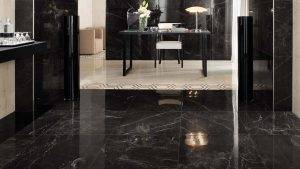

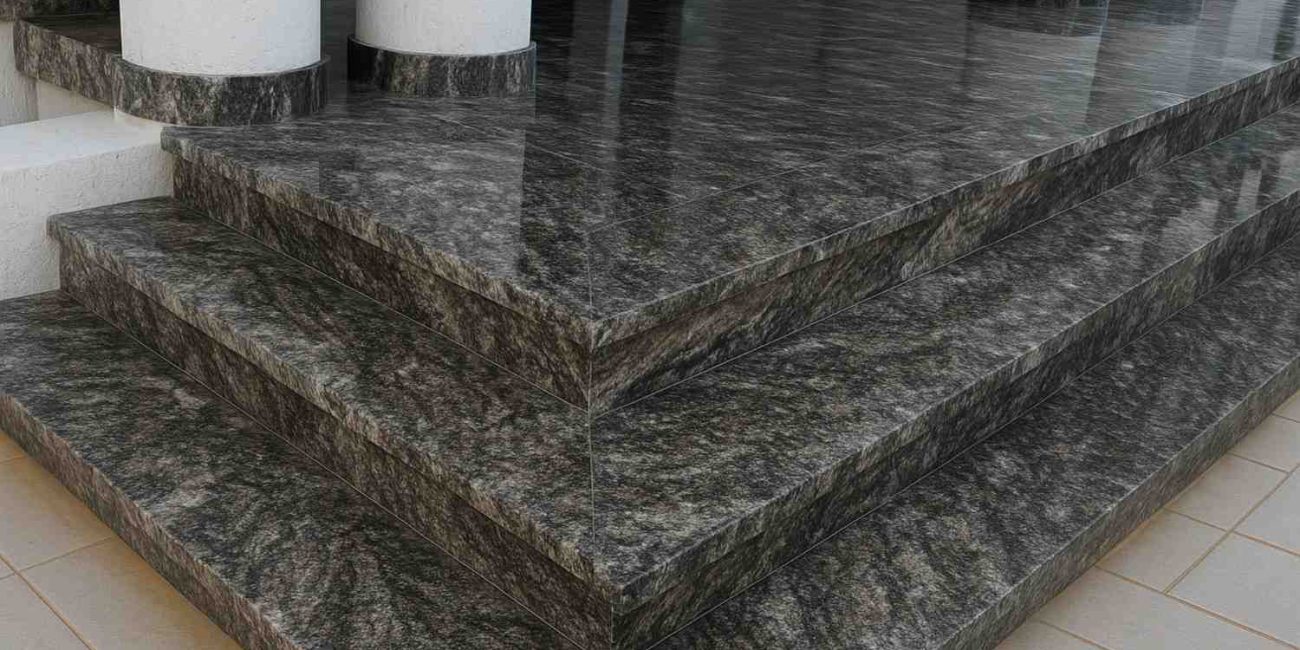
Marble stairs can instantly transform any entryway or hallway into a luxurious statement. However, because marble is a porous natural stone, daily footsteps, tracked-in grit, accidental spills, and improper cleaning products can quickly fade its radiant shine, leaving behind dull, scratched, or discolored treads.
If you are wondering how to clean marble steps safely without stripping their natural luster, you have come to the right place. From establishing an easy daily maintenance routine to executing a safe weekly deep clean, removing stubborn stains, and applying protective sealers, this comprehensive guide covers everything you need to keep your marble staircase looking pristine for years to come.
How Often Should You Clean Marble Steps?
Consistency is the single most important factor in preventing premature wear on natural stone. Because staircases endure concentrated foot traffic, grit, and fine sand get dragged across the treads daily, acting like fine sandpaper against the polished surface.
To keep your marble looking like new, divide your care routine into four simple stages:
|
Care Frequency |
Core Tasks |
Main Goal |
|
Daily Care |
Dry dust mop, sweep loose debris, spot-clean spills immediately |
Prevent abrasive grit scratches |
|
Weekly Care |
Damp mop with pH-neutral stone cleaner; hand-dry with microfiber |
Remove footprints, surface oils, and grime |
|
Monthly Care |
Inspect grout lines and check tread edges for wear or dullness |
Catch early signs of stone damage or etching |
|
Annual Care |
Perform a water-drop porosity test, reapply penetrating sealer |
Renew invisible moisture and stain barrier |
Check out marble maintenance tips to ensure that your marble remains as new as day 1.
Signs Your Marble Steps Need Deep Cleaning
Routine cleaning removes everyday dust, but over time, dirt, oils, and stains can build up and reduce the beauty of your marble staircase. If you notice any of the following signs, it’s time for a thorough deep clean.
- Dull or cloudy surface that no longer reflects light
- Footprints or dirt marks that remain after regular cleaning
- Food, coffee, oil, or rust stains that won’t lift easily
- Sticky residue caused by spills or improper cleaning products
- Loss of the marble’s natural shine or polished appearance
- Water absorbs into the stone instead of forming beads on the surface
- Discolored grout lines or buildup around stair edges
- Visible grime in textured or high-traffic areas
Deep cleaning restores your marble’s appearance, removes embedded dirt, and prepares the surface for resealing when needed.
How to Clean Marble Steps Safely (Step-by-Step Deep Clean)
When daily dusting is no longer enough to remove ground-in footprints and grime, it is time for a thorough deep clean. Follow these five simple steps to restore clarity without compromising the stone’s finish.
Step 1: Clear Surface Debris
Always dry-sweep or dust mop the entire staircase from top to bottom before applying any liquid. Removing loose particles ensures you won’t drag abrasive sand across the marble while wiping.
Step 2: Prepare the Solution
Mix a commercial, pH-neutral stone cleaner with lukewarm distilled water in a clean bucket according to product instructions. Distilled water is strongly recommended because hard tap water contains dissolved minerals that leave a cloudy residue on dark or polished marble.
Step 3: Wipe the Steps Gently
Dip a soft microfiber cloth or sponge into the mixture and wring it out until it is damp, never soaking wet. Carefully wipe down each tread (horizontal surface) and riser (vertical backboard), starting from the top step and working your way down.
Step 4: Rinse with Clean Water
Empty your bucket, rinse it out, and refill it with clean, pure distilled water. Wipe down the entire staircase a second time with a damp microfiber cloth to lift any remaining soap residue.
Step 5: Hand-Dry Immediately
Use a plush, dry microfiber towel to hand-dry each step completely. Allowing marble stairs to air-dry can cause unsightly water spots and allow moisture to sink into the stone’s natural pores.
Did You Know? Marble is primarily made of calcium carbonate, making it highly sensitive to acidic substances like vinegar, lemon juice, and many household cleaners. Even a single use can permanently dull a polished marble surface.
How to Remove Common Stains from Marble Steps
If a liquid spill bypasses your sealer and leaves an unsightly mark, do not scrub aggressively. Instead, use a targeted stain removal method matched to the specific substance:
|
Stain Category |
Common Causes |
Recommended Solution |
How to Apply |
|
Organic Stains |
Coffee, tea, wine, food |
Stone poultice or 12% $H_2O_2$ |
Apply poultice paste, cover with plastic wrap, let dry 24 hrs, then wipe. |
|
Oil-Based Stains |
Grease, body oils, lotion |
Stone poultice + acetone |
Mix poultice with acetone to draw out deeply embedded grease from pores. |
|
Mud & Dirt |
Outdoor mud, foot traffic |
Damp microfiber + pH cleaner |
Gently rehydrate dried mud with a warm solution and blot away without scrubbing. |
|
Water Marks |
Hard tap water, pooling |
Buffing with dry microfiber |
Gently buff the area with a dry microfiber cloth or fine marble polishing powder. |
Expert Insight: Acid Etch vs. Organic Stain
Acidic substances (like vinegar, lemon juice, or citrus drinks) do not just stain marble; they physically dissolve calcium carbonate, causing chemical “etching.”
To test what kind of mark you have, run your fingertips over the spot:
- Smooth & Discolored: It is an embedded stain sitting inside the stone’s pores. Treat it with a stone poultice paste.
- Rough, Dull, or Pitted: It is chemical etching. Cleaning alone will not fix it; the surface must be mechanically repolished with a fine marble polishing powder or by a stone restoration professional.
Best Cleaning Methods for Different Marble Finishes
While all marble should be cleaned using pH-neutral stone cleaners and soft microfiber cloths, each finish has a unique surface texture that requires slightly different care. Using the correct cleaning method helps preserve the finish, prevents premature wear, and keeps your marble stairs looking their best.
|
Marble Finish |
Best Cleaning Method |
|
Polished Marble |
Wipe with a microfiber cloth and pH-neutral marble cleaner. Dry immediately to maintain its glossy, reflective finish. |
|
Honed Marble |
Clean gently with a soft cloth and avoid abrasive scrubbing that can wear down its smooth matte surface. |
|
Tumbled Marble |
Sweep frequently and use a soft-bristled brush to remove dirt trapped in textured pits and edges. |
|
Leathered Marble |
Clean with a damp microfiber cloth and gently remove dust from grooves without applying excessive pressure. |
Tip: Regardless of the finish, avoid vinegar, bleach, ammonia, steel wool, and abrasive scrubbers, as they can permanently damage natural marble.
Safe Cleaning Kit for Marble Steps
Before beginning any deep cleaning session, gather these gentle, non-abrasive tools and materials. Using the right tools protects the delicate crystalline structure of your stone.
|
Tool/Product |
Purpose in Cleaning Kit |
Why It Is Safe |
|
Microfiber Cloths & Towels |
Wiping treads, risers, and hand-drying |
Soft, non-abrasive, highly absorbent |
|
pH-Neutral Marble Cleaner |
Dissolving oil, grease, and ground-in dirt |
Cleans effectively without stripping sealers |
|
Distilled Water |
Diluting cleaner and final rinsing |
Free of hard tap minerals that leave cloudy films |
|
Soft Sponge or Mop |
Applying damp cleaning solution |
Provides gentle agitation without scratching |
|
Penetrating Stone Sealer |
Periodic surface protection |
Fills microscopic pores to block liquid stains |
Marble-Safe Cleaning Products vs. Products to Avoid
Using the right cleaning products is the key to preserving your marble’s natural beauty. Stone-safe cleaners protect the finish, while harsh household products can cause permanent etching, stains, and surface damage.
|
Cleaning Product |
Recommended |
Why It Matters |
|
pH-Neutral Marble Cleaner |
Yes |
Cleans effectively without damaging the marble or protective sealer. |
|
Distilled Water |
Yes |
Prevents mineral deposits and water spots. |
|
Microfiber Cloth |
Yes |
Removes dirt gently without scratching the surface. |
|
Soft Sponge or Mop |
Yes |
Cleans safely while protecting the marble’s finish. |
|
Mild pH-Neutral Dish Soap |
Use Occasionally |
Acceptable for light cleaning but may leave residue if used frequently. |
|
Baking Soda |
Limited Use |
Suitable only for specific stain-removal treatments. |
|
Vinegar or Lemon Juice |
No |
Acidic ingredients permanently etch and dull marble. |
|
Bleach or Ammonia |
No |
Can discolor marble and weaken protective sealers. |
|
Steel Wool or Abrasive Scrubbers |
No |
Causes scratches and permanent surface damage. |
Common Cleaning Mistakes to Avoid
Even with the right cleaning products, improper cleaning habits can shorten the life of your marble staircase. Avoid these common mistakes to keep your marble looking polished and well protected.
- Leaving spills unattended: Liquids such as coffee, oil, wine, and juice can quickly penetrate marble and leave permanent stains if not cleaned immediately.
- Using too much water: Excess moisture can seep into grout lines and unsealed stone, increasing the risk of water stains and deterioration.
- Skipping the final rinse: Cleaning solution left on the surface creates a dull residue that reduces the marble’s natural shine.
- Letting the marble air-dry: Always dry each step with a microfiber towel to prevent water spots and mineral buildup.
- Dragging heavy furniture or objects: Sliding heavy items across marble can cause scratches, chips, and permanent surface marks.
- Ignoring small stains or dull spots: Promptly treating minor stains and etching helps prevent long-term damage and costly restoration.
- Delaying resealing: Once water stops beading on the surface, the marble becomes more vulnerable to stains and moisture. Test the sealer annually and reapply it every 12–24 months when needed.
How to Keep Marble Steps Shiny for Years
Keeping marble shiny is all about consistent care and using the right products. A simple maintenance routine helps protect the stone, preserve its finish, and reduce the need for expensive restoration.
Follow these simple marble care tips:
- Dust or sweep daily to remove dirt and abrasive grit.
- Clean weekly with a pH-neutral marble cleaner and distilled water.
- Dry each step immediately to prevent water spots and mineral deposits.
- Blot spills quickly before they soak into the porous stone.
- Avoid acidic or abrasive cleaners like vinegar, lemon juice, bleach, or steel wool.
- Place mats at entrances to reduce tracked-in dirt and sand.
- Apply a penetrating marble sealer every 12–24 months or when water no longer beads on the surface.
- Schedule professional polishing if the finish becomes dull despite regular maintenance.
With the right care routine, your marble staircase will retain its natural shine, resist stains more effectively, and stay beautiful for many years.
Conclusion
Cleaning marble steps the right way is about more than removing dirt; it’s about protecting one of the most elegant features of your home. By using pH-neutral cleaners, soft microfiber cloths, and a consistent maintenance routine, you can prevent scratches, stains, dullness, and long-term damage while preserving the stone’s natural beauty.
Whether you’re performing a quick daily clean, tackling stubborn stains, choosing the right care for your marble finish, or applying a protective sealer, every step plays an important role in extending the life of your staircase. Avoid harsh household cleaners, address spills immediately, and reseal your marble when needed to keep it looking polished and protected.
With the right cleaning methods and preventive care, your marble steps can maintain their timeless shine, durability, and luxurious appearance for many years to come.
Frequently Asked Questions
What is the safest solution for cleaning marble steps?
The safest solution is a specialized pH-neutral marble cleaner diluted in lukewarm distilled water. This neutral chemical balance safely lifts surface oils and foot grime without eroding protective sealants or etching the stone’s surface.
How to perform the simple water-drop test to check your marble’s sealing?
To check if your marble steps need a fresh coat of sealer, place a few drops of water on a high-traffic tread:
- If the water beads up nicely after 10 to 15 minutes, your sealer is intact.
- If the water soaks in and darkens the stone, it is time to thoroughly clean the steps and apply a fresh penetrating stone sealer.
Is it safe to clean marble steps with a steam mop?
No, steam mops should never be used on marble stairs. The combination of intense heat and pressurized moisture forces water deep into the stone’s natural pores and microfissures, which can cause cracking, clouding, spalling, and rapid sealer failure.
How often do marble steps need to be sealed?
Most residential marble steps should be sealed every 12 to 24 months, depending on foot traffic levels and cleaner usage. Performing a simple water-drop test once a year will tell you exactly when a new coat of sealer is required.
Can I use dish soap for regular marble cleaning?
If you have installed marble countertops or a staircase, dish soap should only be used occasionally, and only if it is a mild, pH-neutral formula free of citrus additives or heavy fragrances. Regular use leaves behind a thin, gummy film that attracts dirt and slowly dulls the stone’s shine.
Why did my marble steps look dull after I cleaned them?
Dullness after cleaning is usually caused by leftover soap residue, hard water mineral deposits from tap water, or acid etching from unsuitable household cleaners. If the surface feels smooth, re-rinse with distilled water. If it feels rough, the stone has been etched and requires polishing.
If you are ready to get your marble polished, then don’t forget to check marble polishing tips for the best results.
What should I do if my marble stairs get scratched?
Light surface scratches can often be buffed out using a soft microfiber cloth and a gentle marble polishing paste. Deep scratches, gouges, or widespread dullness require professional honing and diamond polishing.