
Your quartz countertop once looked glossy and luxurious, but now it seems cloudy or dull despite regular cleaning. Fortunately, most quartz surfaces don’t lose their shine permanently. In many cases, a simple polishing routine can restore their original beauty without expensive repairs.
Quartz countertops can be polished safely by cleaning the surface with a pH-neutral cleaner, applying a quartz-safe polishing compound, and buffing gently with a microfiber cloth. Regular care removes surface buildup, restores shine, and helps protect the engineered stone from daily wear.
While highly durable, quartz surfaces can lose their factory brilliance over time. In our experience, most dull quartz countertops are not permanently damaged. They usually have a layer of soap residue, grease, or hard water deposits that can be removed safely with the right cleaning products and polishing technique.
Why Do Quartz Countertops Lose Their Shine?
Quartz is exceptionally durable and non-porous, but several everyday factors can form a faint, light-blocking film over the surface:
- Soap residue: Excess dish soap or poor rinsing leaves a cloudy, cumulative layer.
- Hard water deposits: Evaporating tap water leaves mineral rings that dull the stone.
- Grease buildup: Cooking oils aerosolize, settle on the surface, and attract dust.
- Incorrect cleaning products: Acidic or highly alkaline chemicals degrade the surface resins.
- Fine scratches: Continuous sliding of kitchenware creates microscopic abrasions over time.
Daily, Weekly, and Monthly Maintenance Schedule
Consistency prevents dull film accumulation before it requires intensive restoration.
|
Frequency |
What to Do |
Why It Matters |
|
Daily |
Wipe the surface with warm water and a clean microfiber cloth after cooking. |
Removes fresh grease, oils, and food residue before they leave a dull film. |
|
Weekly |
Clean with a dedicated, pH-neutral quartz or stone cleaner. |
Eliminates soap residue, hard water spots, and stubborn buildup while maintaining the finish. |
|
Monthly |
Inspect seams, edges, and high-use areas around sinks for dull spots or fine scratches. |
Helps identify minor issues early before they become more noticeable or require professional repair. |
How to Polish Quartz Countertops Step by Step
Before learning how to polish quartz countertops, ensure the surface is cool, dry, and entirely free from loose dust, crumbs, or food particles. Following these sequential steps at home will deliver optimal results.
Step 1: Clean the Surface Thoroughly
Mix a few drops of mild, clear dish soap into warm water. Wipe down the entire surface with a damp microfiber cloth to strip away superficial grease and oils.
Step 2: Rinse and Dry to Prevent Streaks
Rinse the cloth in clean water and wipe the countertop a second time to remove residual soap. Immediately buff the surface dry with a clean microfiber towel using tight, circular motions to prevent water spots.
Step 3: Apply a Quartz-Safe Polishing Compound
Pour a dime-sized amount of a commercial, specialized quartz polishing cream or spray onto a clean microfiber pad. Spread the product evenly across the dull areas, working in small sections.
Step 4: Buff the Stone
Using a dry microfiber cloth or a handheld variable-speed buffer fitted with a soft foam pad, buff the stone firmly in uniform circular motions. Continue until the compound disappears and a clear, reflective shine returns.
Safe Materials vs. Destructive Products
Using the right materials keeps your engineered stone pristine, while harsh chemicals can cause irreversible resin damage.
|
Safe Materials for Daily Use |
Destructive Products to Avoid |
|
Clear dish soap: Lifts oils effectively without leaving a heavy chemical film. |
Vinegar & lemon juice: High acidity discolors and breaks down surface resins over time. |
|
Microfiber cloths: Soft textiles that lift dust and moisture without scratching. |
Bleach & oven cleaners: Severe alkaline chemicals cause permanent chemical burns. |
|
Distilled water: Prevents hard mineral spots during rinsing. |
Steel wool & scouring pads: Harsh physical abrasives that leave permanent micro-scratches. |
|
Rubbing alcohol: Safe for spot-treating dried ink, markers, or adhesive residue. |
Ammonia-based glass cleaners: Strip the polished finish and cause permanent cloudiness. |
Signs Your Quartz Countertop Needs Professional Repair
Polishing restores shine but cannot repair structural damage. For homeowners dealing with scratches, chips, or surface damage beyond routine polishing, our quartz stone solutions provide practical maintenance and repair recommendations. Professional stone technicians are required if your countertop suffers from:
- Deep scratches that penetrate past the surface layer and catch your fingernail
- Chips broken off along edges, seams, or around the sink rim
- Deep resin discoloration or burn marks caused by direct heat from hot cookware
- Cracked or separating seams along joints
- General chemical yellowing or resin discoloration from prolonged UV or bleach exposure
- Loose or shifting joints between slab segments
Technicians use color-matched epoxy resins to fill chips and specialized diamond-abrasive pads to level out deep scratches without warping the surrounding profile.
Honed vs. Polished Quartz Finishes
|
Finish Type |
Visual Appearance |
Polishing Maintenance |
|
Polished Finish |
Highly glossy, reflective, and completely smooth. |
Responds exceptionally well to standard quartz polishing compounds to restore high luster. |
|
Honed Finish |
Matte, satin-like, and completely non-reflective. |
Polishing compounds will not create a high shine and will cause uneven smudging. |
Note: While natural marble and granite surfaces require unique sealing schedules based on their finish, always verify your engineered stone manufacturer’s specifications before applying gloss-enhancing products to a matte or honed quartz installation.
How to Tell the Difference Between a Dull Spot and a Scratch
When inspecting your engineered stone, it is incredibly easy to mistake localized surface dullness for physical structural damage. To accurately diagnose your countertop condition, follow this practical inspection method:
- Set Up a Light Source: Place a strong flashlight or an adjustable desk lamp on one side of the counter, or perform your check during a bright time of day when natural light floods the kitchen.
- Examine From a Low Angle: Lower your eye level down near the counter plane so you are looking horizontally across the surface directly into the path of the light.
- Analyze the Light Path Reflection:
- Superficial Film: If the reflected light path looks noticeably blurred, hazy, or spread out, but the quartz remains completely smooth to your touch, you are simply dealing with built-up grime, grease, or dried soap film. A standard polishing routine will easily restore clarity.
- Physical Scratch: If the light path sharply breaks, gaps, or reflects unevenly at a specific line, and you can feel a literal physical catch or indentation with your fingernail, the top resin layer has been physically scratched.
Expert Tip: Engineered stone formulations vary by manufacturer. Always test any new commercial polishing compound or stone treatment on a small, hidden section, such as underneath an appliance, before applying it across the main countertop.
Common Cleaning Mistakes to Stop Making
- Using Abrasive Scrubbing Powders: Hard scouring powders create thousands of tiny micro-scratches that permanently trap dirt and dull the stone.
- Placing Hot Pans Directly on Quartz: Excessive heat cooks the internal polymer resin, leaving irreversible yellow or brown burn marks.
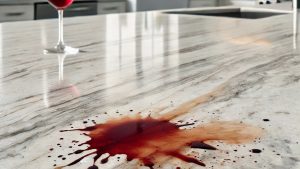
- Allowing Spills to Sit: Even though quartz is non-porous, highly pigmented liquids like red wine, coffee, or tea can permanently discolor the surface resins if left for hours.
- Using Wax or Furniture Polish: Applying furniture polish or floor wax leaves a sticky chemical residue that dulls the finish and actively attracts dirt.
When Do Quartz Countertops Need Professional Repair?
Polishing restores shine but cannot repair structural damage. Professional stone technicians are required if your countertop suffers from:
- Deep scratches: Gouges that penetrate past the surface layer and catch your fingernail.
- Chips: Physical chunks broken off along edges, seams, or around the sink rim.
- Burn marks: Deep resin discoloration caused by direct heat from hot pots or pans.
- Resin damage: Chemical burns or etching from prolonged exposure to bleach or heavy acids.
- Separating seams: Cracked or shifting joints between slab segments.
Technicians use color-matched epoxy resins to fill chips and specialized diamond-abrasive pads to level out deep scratches without warping the surrounding profile.
Keeping Your Engineered Stone Pristine
Maintaining the factory luster of engineered stone does not require intensive industrial refinishing; rather, it demands targeted care, consistent routine maintenance, and the complete avoidance of damaging chemicals. Using pH-neutral techniques and mild specialty polishing compounds lifts persistent surface dullness safely. Maintaining the surface properly after initial quartz countertop installation preserves its factory finish and reduces the need for future complex repairs.
By immediately cleaning spills, utilizing cutting boards and hot pads, avoiding abrasive powders, and recognizing when severe damage requires professional diamond-abrasive restoration, you prevent permanent cloudiness and preserve your investment for decades to come.
Frequently Asked Questions
What cleans and shines quartz countertops safely?
The safest way to clean and shine quartz countertops is to use warm water, a few drops of mild dish soap, and a soft microfiber cloth. For a streak-free finish, use a pH-neutral quartz cleaner and buff the surface with a dry microfiber cloth. Following proper cleaning practices after quartz countertop installation helps preserve the countertop’s original shine for years.
What should never be used to clean quartz countertops?
Never use bleach, vinegar, ammonia, oven cleaners, paint strippers, or abrasive scrubbers like steel wool on quartz countertops. These products can damage the resin that binds the quartz crystals together, leading to dullness, discoloration, or permanent surface damage. For more countertop care tips, explore our marble and granite guide.
How do I restore a dull quartz countertop?
To restore a dull quartz countertop, first remove soap residue and grease using a pH-neutral cleaner or a mixture of rubbing alcohol and water. If the surface still appears dull, apply a quartz-safe polishing compound and buff it with a microfiber cloth. If polishing doesn’t improve the finish, our quartz stone solutions can help address deeper surface damage.
What causes quartz countertops to lose their shine?
Quartz countertops usually lose their shine because of soap residue, hard water deposits, grease buildup, or improper cleaning products, not because the quartz itself is wearing out. Regular cleaning and proper maintenance help restore and maintain the factory finish.
What causes the natural sparkle in quartz countertops?
The sparkle in quartz countertops comes from natural quartz crystals embedded within engineered resin. As light reflects off these crystals, the surface produces the bright, glossy appearance that makes quartz a popular countertop material.
Can polishing compounds remove deep scratches from quartz?
No. Quartz polishing compounds are designed to remove surface haze, residue, and very light micro-scratches only. Deep scratches, chips, or burn marks require professional repair using specialized tools and techniques. Learn more about repair options through our quartz stone solutions.
Is dish soap safe for cleaning quartz countertops every day?
Yes. Mild, non-abrasive dish soap is safe for everyday quartz cleaning when diluted with warm water. Always rinse the surface thoroughly and dry it with a microfiber cloth to prevent soap residue from dulling the finish.
Why does my quartz countertop look cloudy after cleaning?
A cloudy quartz countertop is usually caused by leftover soap residue, hard water minerals, or cleaning products that leave behind a film. Cleaning the surface with a pH-neutral cleaner or a diluted isopropyl alcohol solution and buffing it dry with a microfiber cloth typically restores its clarity.
Can I use baking soda on quartz countertops?
Baking soda should only be used occasionally and with caution. Although it is a mild abrasive, frequent scrubbing can gradually dull the polished finish of quartz. For routine cleaning, stick to pH-neutral quartz cleaners and soft microfiber cloths.
Do quartz countertops need sealing?
No. Quartz countertops do not need sealing because they are engineered with a non-porous surface that is permanently sealed during manufacturing. Proper care after quartz countertop installation is enough to maintain their durability and appearance without additional sealing.
How often should quartz countertops be polished?
Quartz countertops only need polishing when they begin to look dull due to residue or light surface wear. Routine cleaning is usually enough to maintain their shine, while occasional polishing with a quartz-safe product helps restore their original finish without damaging the surface.
Can heat damage quartz countertops?
Yes. Although quartz is heat-resistant, placing hot pots or pans directly on the surface can damage the resin, causing burn marks, discoloration, or cracks. Always use trivets or heat-resistant pads to protect your countertops and extend their lifespan.