
It’s easy to focus on the aesthetics of a new kitchen, but the reality of cooking is messy. Protecting walls from grease and heat is essential for a functional kitchen. The best kitchen splashback ideas solve this by using durable, non-porous materials like quartz or glass that wipe clean instantly. These solutions prevent permanent staining and water damage while creating a stunning visual centrepiece that increases home value. Selecting the right surface involves balancing heat resistance with a style that complements the cabinetry.
Whether opting for the timeless elegance of natural stone or the sleek, modern finish of polished acrylic, the goal is to merge effortless maintenance with high-end aesthetics. This guide explores expert-led designs and material comparisons to help homeowners find the perfect protective barrier that reflects their personal style and withstands the rigours of daily cooking and cleaning.
Should One Choose Marble for a Kitchen Splashback?
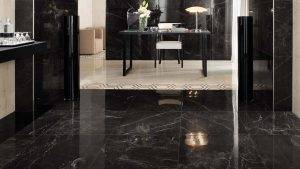
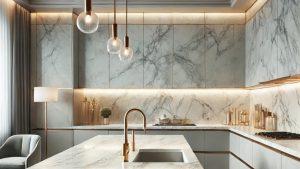
Choosing the material for a kitchen splashback is very critical, and marble remains the global benchmark for elegance and sophistication. Its organic veining ensures that every installation is a unique piece of earth-made art. When consulting a top marble supplier, many homeowners opt for the following:
- Visual Brightness: Varieties like Bianco Carrara or Statuario Marble reflect light, making the cooking area feel airy and significantly larger.
- Heat Tolerance: As a natural stone formed under immense heat, it handles proximity to professional-grade stove tops without warping.
- Property Prestige: Marble is a high-status material that acts as a visual anchor for luxury-market buyers and investors.
- Natural Cooling: The stone stays naturally cool to the touch, which can subtly help regulate the temperature in a hot kitchen environment.
- Unique Artistry: Because it is quarried from the earth, no two slabs are identical, giving the kitchen a bespoke, custom-made feel.
Is Granite the Best Option for High-Traffic Kitchens?
For households that involve heavy daily cooking, granite is often cited as the bulletproof choice. As any best granite supplier will confirm, granite is one of the hardest natural substances on Earth.
- Scratch Resistance: Unlike acrylic or wood, granite cannot be scratched by stray utensils, heavy pots, or accidental knife slips.
- Colour Depth: Options like “Black Forest” or Crystal Blue offer a depth of colour that effectively masks minor splatters and water spots.
- Hygienic Surface: When properly sealed, granite does not harbour bacteria, mould, or allergens, making it ideal for food preparation zones.
- UV Resistance: Unlike some synthetic materials, granite colours will not fade even if the kitchen receives direct sunlight through large windows.
- Longevity: It is a “once-in-a-lifetime” installation that rarely needs replacement due to wear and tear.
How Does Quartz Compare to Natural Stone for Splashbacks?
Quartz has become the most sought-after engineered surface due to its extreme resilience. While natural stone is beautiful, it requires a degree of care that some modern lifestyles don’t allow. A quartz supplier in the UAE provides a product that is:
- Non-Porous: It never requires sealing because it is bound with high-quality resins, making it completely waterproof.
- Stain-Proof: It is largely immune to the “Big Three” kitchen stains: turmeric, red wine, and coffee.
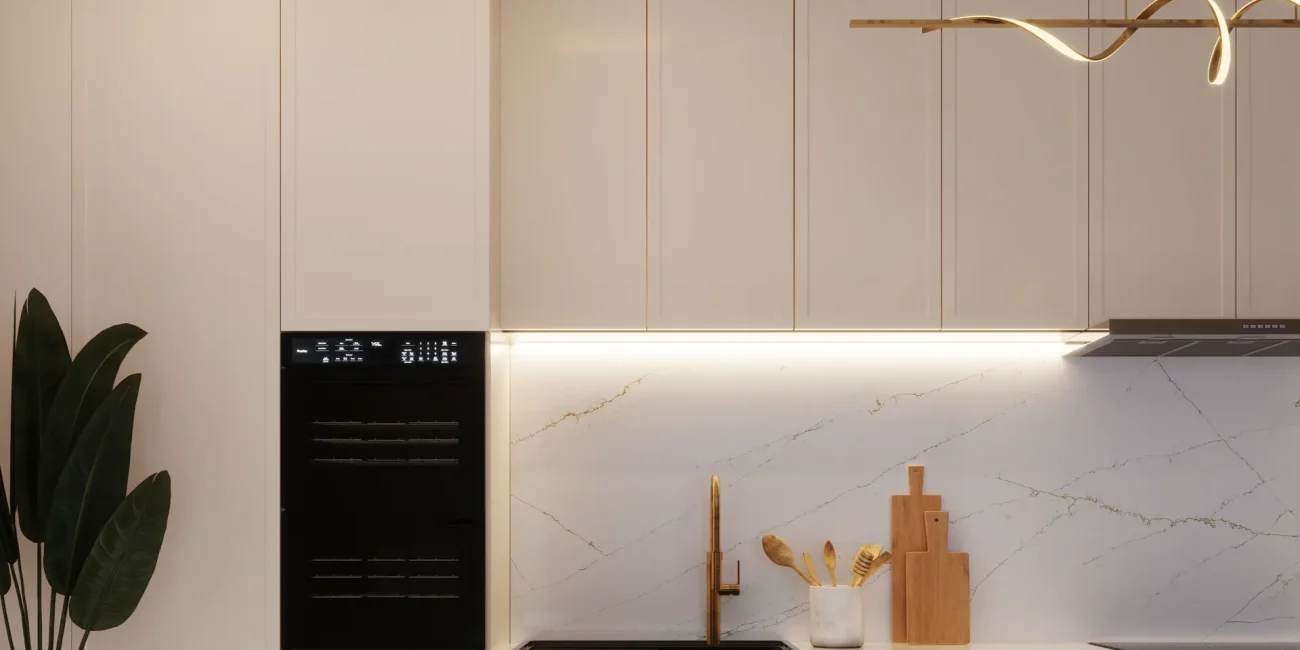
- Design Flexibility: High-end quartz can be engineered to closely replicate the sophisticated veining of Calacatta Athena marble, while providing significantly higher impact resistance and durability.
- Consistency: Unlike natural stone, the pattern you see in the showroom is exactly what will be installed on your wall.
- Eco-Friendly Options: Many quartz brands use recycled glass and stone, making it a more sustainable choice for green-conscious homeowners.
What Are the Benefits of Travertine Splashbacks?
Travertine is experiencing a major resurgence in 2026, prized for its tactile, earthy appeal and “old-world” charm.
- Natural Texture: The characteristic small pits and craters provide a layered, organic look that synthetic materials cannot replicate.
- Warm Colour Palette: Available in soft beiges, tans, and walnuts, it makes a kitchen feel warm and inviting rather than clinical.
- Affordable Luxury: Often more budget-friendly than premium marble, it still offers the prestige of a natural stone installation.
- Matte Finish: Most travertine is honed, meaning it has a soft matte finish that doesn’t show glare from kitchen lights.
- Style Versatility: It pairs perfectly with both rustic farmhouse designs and Modern Mediterranean aesthetics.
What Are the Benefits of Glass Splashbacks?
Glass is the go-to for architects aiming for a clean, minimalist finish. It offers several unique advantages:
- Light Reflection: Glossy glass panels bounce natural light into darker corners, brightening the entire workspace.
- Hygienic Seamlessness: Without grout lines, there is nowhere for grease, grime, or kitchen bacteria to hide.
- Endless Colour Palette: Glass can be back-painted to any specific Pantone or RAL colour to match your cabinetry perfectly.
- Magnetic Options: Some glass splashbacks can be fitted with a magnetic backing, allowing for easy attachment of spice racks.
- Easy DIY Updates: While stone is permanent, glass panels can sometimes be swapped out more easily if a homeowner wants a colour change.
How to Choose a Splashback Based on Kitchen Size?
Space constraints should heavily influence your choice of materials and patterns:
- Compact Kitchens: Use mirrored splashbacks or polished light stones. This creates a “window effect” that makes a small galley kitchen feel expansive.
- Large, Open-Plan Kitchens: This is the place for bold statements. Consider floor-to-ceiling stone slabs or intricate mosaic patterns that won’t overwhelm a large space.
- Ceiling Height: If you have high ceilings, consider a full-height splashback that goes all the way up. This draws the eye upward and emphasizes the architectural volume.
- Zonal Lighting: In large kitchens, using a splashback with a slight texture can help define different “zones,” such as a coffee station and a prep area.
Here is a quick-reference overview of the top kitchen splashback materials and design trends for 2026.
2026 Kitchen Splashback Comparison
| Material | Best For | Key Benefits | Style Profile |
| Marble | Luxury & Investment | Heat-tolerant, unique natural veining increases property value. | Timeless, High-End, Bright |
| Granite | High-Traffic Kitchens | Scratch-resistant, UV-resistant, and “bulletproof” durability. | Rugged, Natural, Bold |
| Quartz | Busy Lifestyles | Non-porous (no sealing needed), stain-proof, and colour consistent. | Modern, Sleek, Versatile |
| Travertine | Earthy/Rustic Vibes | Natural matte texture, warm colour palette, and affordable luxury. | Mediterranean, Organic, Soft |
| Glass | Minimalist Designs | No grout lines (hygienic), reflects light, and endless colour options. | Clean, Polished, Industrial |
| Mirror | Small Kitchens | Creates a “window effect” to make compact spaces feel larger. | Expansive, Glamorous, Airy |
Conclusion
Ultimately, a beautiful kitchen should do more than look impressive; it should withstand everyday spills, heat, and constant cleaning without losing its charm. That’s where your kitchen splashback comes into the picture, as it is more than just a barrier against stains; it’s the design anchor of your home. Choosing the right one is a balancing act between your daily lifestyle and your personal aesthetic.
Whether you lean toward the timeless elegance of premium marble, the rugged, heat-resistant durability of granite, or the low-maintenance versatility of quartz, your choice defines the room’s character. By investing in high-quality natural stone, you aren’t just protecting your walls; you’re ensuring that the heart of your home remains as functional as it is breathtaking for years to come.
FAQs
What Are the Most Common Mistakes When Installing Splashbacks?
The most common mistakes are inaccurate measurements around outlets and failing to properly level or degrease the wall before installation. Many also overlook the need for toughened heat-resistant materials behind stoves or forget to seal natural stone, leading to avoidable cracks and permanent stains.
Can I install a splashback over existing tiles?
While possible with certain materials like acrylic or thin glass, it is generally recommended to remove old tiles first. This ensures a level surface and a much stronger bond for the new material, especially when using heavy stone.
Does the splashback have to match the countertop?
It does not have to match, but it should complement it. Using the same material creates a high-end, seamless look, while choosing a contrasting material (like a tiled splashback with a solid stone counter) adds texture and visual interest.
Is a mirror splashback safe behind a stove?
Yes, provided it is toughened mirror glass. Standard mirrors will crack under the thermal stress of a cooktop. Toughened glass is specifically treated to withstand high temperatures.
How much does a stone splashback typically cost?
Costs vary based on the rarity of the stone and the complexity of the installation. Sourcing from a reputable marble and granite supplier in the UAE ensures competitive pricing and professional-grade slabs that last a lifetime.