
Is marble wall cladding expensive?
Yes, marble wall cladding is generally more expensive than many other wall finishes because it is a premium natural material. However, its timeless appearance, durability, and ability to increase the visual appeal of a space often makes it a worthwhile long-term investment.
Can wall cladding be installed over existing walls?
Yes, wall cladding can often be installed over existing walls if the surface is clean, stable, dry, and structurally sound. The installation method depends on the cladding material and the condition of the existing wall.
What is the difference between wall cladding and wall paneling?
Wall cladding is primarily designed to protect and enhance walls using durable materials such as stone, marble, or quartz, while wall paneling is mainly decorative and commonly made from wood, MDF, or similar materials. Cladding generally offers greater durability and is suitable for both interior and exterior applications.
Which wall cladding is best for living rooms?
Marble, quartz, wood, and stone are among the best choices for living room wall cladding. These materials create elegant feature walls, add texture and depth, and enhance the overall aesthetics of the space while complementing modern and traditional interiors.
How long does wall cladding last?
High-quality wall cladding can last anywhere from 20 to 50 years or more, depending on the material, installation quality, and maintenance. Natural stone and quartz are particularly durable, while regular cleaning and proper care help maximize their lifespan.
Is wall cladding easy to maintain?
Yes, most modern wall cladding materials require minimal maintenance. Regular dusting, occasional cleaning with a soft cloth and mild detergent, and following the manufacturer’s care recommendations are usually enough to keep the surface looking its best.
Which wall cladding is popular in Dubai?
Marble, quartz, natural stone, and WPC wall cladding are among the most popular choices in Dubai. These materials combine premium aesthetics with durability, making them well-suited for luxury homes, apartments, hotels, offices, and commercial interiors across the region.
Which wall cladding is waterproof?
PVC, quartz, WPC, and certain natural stone cladding options are highly resistant to moisture, making them suitable for bathrooms, kitchens, and other damp environments. Proper installation and sealing further improve their water resistance and longevity.
Is marble wall cladding expensive?
Yes, marble wall cladding is generally more expensive than many other wall finishes because it is a premium natural material. However, its timeless appearance, durability, and ability to increase the visual appeal of a space often makes it a worthwhile long-term investment.
Can wall cladding be installed over existing walls?
Yes, wall cladding can often be installed over existing walls if the surface is clean, stable, dry, and structurally sound. The installation method depends on the cladding material and the condition of the existing wall.
What is the difference between wall cladding and wall paneling?
Wall cladding is primarily designed to protect and enhance walls using durable materials such as stone, marble, or quartz, while wall paneling is mainly decorative and commonly made from wood, MDF, or similar materials. Cladding generally offers greater durability and is suitable for both interior and exterior applications.
Which wall cladding is best for living rooms?
Marble, quartz, wood, and stone are among the best choices for living room wall cladding. These materials create elegant feature walls, add texture and depth, and enhance the overall aesthetics of the space while complementing modern and traditional interiors.
How long does wall cladding last?
High-quality wall cladding can last anywhere from 20 to 50 years or more, depending on the material, installation quality, and maintenance. Natural stone and quartz are particularly durable, while regular cleaning and proper care help maximize their lifespan.
Is wall cladding easy to maintain?
Yes, most modern wall cladding materials require minimal maintenance. Regular dusting, occasional cleaning with a soft cloth and mild detergent, and following the manufacturer’s care recommendations are usually enough to keep the surface looking its best.
Which wall cladding is popular in Dubai?
Marble, quartz, natural stone, and WPC wall cladding are among the most popular choices in Dubai. These materials combine premium aesthetics with durability, making them well-suited for luxury homes, apartments, hotels, offices, and commercial interiors across the region.
There was a time when decorative wall options were limited to a fresh coat of paint or a quick layer of wallpaper. While those options still have their place, modern interior design has evolved. Plain, flat walls can make even a spacious room feel cold or unfinished.
Enter wall cladding, a versatile architectural solution that adds instant texture, dimension, and long-term protection to your home.
Marble wall cladding serving as a luxurious TV feature wall.
In simple terms, wall cladding is an extra layer attached to a structural wall. It acts like a protective skin while delivering high-end aesthetic appeal. It has quickly become one of the most popular interior design trends because it merges luxury looks with effortless maintenance.
Whether you want to create a stunning feature wall in your living room or upgrade your exterior facade, this complete guide covers popular wall cladding designs, distinct material types, and practical styling tips for every space.
Wall Cladding at a Glance
|
Question |
Answer |
|
What is wall cladding? |
A decorative and protective wall covering. |
|
Where is it used? |
Interior and exterior walls. |
|
Best material? |
Depends on budget and application. |
|
Lifespan |
20–50+ years. |
|
Waterproof? |
Yes, many materials are. |
What is Wall Cladding
Wall cladding is a non-structural material applied to the surface of a wall to protect it from wear and tear while elevating its visual style. Think of it as a tailored coat for your building’s framework.
Interior vs. Exterior Wall Cladding
While both serve a dual protective and aesthetic role, their construction differs significantly:
- Interior Cladding: Focuses heavily on design, touchable textures, and room acoustics. Materials like bookmatched marble, fluted wood slats, and lightweight PVC are popular indoors.
- Exterior Cladding: Prioritizes weatherproofing, UV resistance, and structural shield against rain or extreme heat. Heavy-duty natural stone cladding, brick slips, and fiber cement are commonly used outside.
Decorative vs. Protective Purpose
Inside your home, cladding prevents everyday scuffs, hides structural flaws, and creates focal points. On the outside, it shields your home from moisture penetration, thermal expansion, and structural erosion.
How Wall Cladding Works
Cladding panels or stone slabs mount directly onto walls using high-grade construction adhesives, concealed metal clips, or mechanical aluminum channels. This leaves a small air gap that improves air circulation and sound dampening.
Homeowners prefer wall cladding over traditional paint because it delivers an upscale, dimensional look that paint simply cannot match. Plus, it lasts for decades without needing touch-ups.
Why Wall Cladding is Becoming So Popular
The demand for wall cladding in modern home renovation has grown rapidly. Property owners want interiors that feel custom-built and require minimal daily maintenance.
- Luxury Appearance: Adds depth, tactile richness, and an architectural finish that looks expensive.
- Exceptional Durability: Resists dents, scratches, and impact damage far better than drywall or plaster.
- Low Maintenance: Easy to wipe clean without worrying about chipped paint or peeling wallpaper seams.
- Moisture & Stain Resistance: Protects walls from humidity, making it ideal for bathrooms, kitchens, and tropical climates.
- Thermal Insulation: Helps regulate indoor temperatures, keeping rooms cooler in summer and warmer in winter.
- Sound Absorption: Textured panels soften room echoes and reduce noise transfer between spaces.
- Increased Property Value: High-end architectural finishes boost real estate appraisal value.
- Endless Design Flexibility: Available in everything from warm timber slats to large-format stone slabs.
Benefits of Wall Cladding
Here is a clear look at why investing in wall paneling makes practical sense for your home:
|
Benefit |
Why It Matters |
|
Protects Walls |
Shields structural walls against scuffs, furniture bumps, and high-traffic wear. |
|
Improves Aesthetics |
Turns flat, boring drywall into a custom architectural statement. |
|
Better Insulation |
Adds a thermal buffer layer to lower heating and cooling energy costs. |
|
Moisture Resistance |
Prevents water penetration, mold growth, and damp patches in humid zones. |
|
Easy Maintenance |
Requires only a simple wipe-down with a damp cloth—no repainting needed. |
|
Adds Property Value |
Creates an immediate visual impression that attracts buyers. |
Types of Wall Cladding
Different types of wall cladding offer distinct advantages depending on your room, preferred design aesthetic, and maintenance budget.
Natural stone varieties are used for high-end interior and exterior cladding.
1. Marble Wall Cladding
Marble is the ultimate symbol of luxury. Famous for its natural veining and polished sheen, marble cladding transforms entry halls, bathrooms, and main living areas into sophisticated spaces.
2. Natural Stone Cladding
Using cut granite, slate, or quartzite, natural stone cladding brings rugged organic textures into your home. Sourcing materials from a certified natural stone supplier ensures consistent slab density, proper sealing, and color purity.
3. Quartz & Engineered Stone Cladding
If you want the elegance of stone without the maintenance, engineered stone and quartz panels are ideal options. Non-porous and stain-resistant, they work wonderfully in kitchens, family rooms, and heavy-use hallways.
4. Wooden Wall Cladding
Warm timber cladding adds rich organic character. From vertical oak slats to rustic walnut panels, wood creates a cozy feel in bedrooms and home offices.
5. WPC (Wood-Plastic Composite) Wall Cladding
WPC blends natural wood fibers with recycled plastic to offer the warm texture of timber alongside water resistance. It works great for indoor feature walls and outdoor patio areas.
6. PVC Wall Cladding
Budget-friendly and waterproof, PVC panels are lightweight and easy to install. They are commonly used in basements, bathrooms, and laundry rooms where moisture is a factor.
7. Metal Wall Cladding
Sleek aluminum, copper, or brushed steel cladding adds a modern industrial edge to contemporary living spaces, staircase wells, and urban facades.
8. Glass Wall Cladding
Back-painted or tinted toughened glass panels reflect light, expand small rooms, and offer a seamless, joint-free surface that is easy to wipe down.
9. Brick Wall Cladding
Thin brick veneer slabs deliver an authentic urban loft feel without consuming valuable floor space.
10. Concrete Wall Cladding
Architectural concrete panels offer a minimalist, industrial look with soft grey tones and smooth tactile finishes.
Comparison Table: Wall Cladding Materials
|
Type |
Best For |
Durability |
Maintenance |
Luxury Appeal |
|
Marble |
Feature walls & luxury bathrooms |
High |
Medium |
Exceptional |
|
Stone |
Exterior walls & rustic accent zones |
Very High |
Low |
High |
|
Quartz |
Kitchens & high-traffic hallways |
High |
Very Low |
High |
|
Wood |
Bedrooms & home offices |
Medium |
Medium |
High |
|
WPC |
Covered patios & damp interiors |
High |
Low |
Medium |
|
PVC |
Bathrooms & utility spaces |
Medium |
Very Low |
Moderate |
|
Metal |
Modern living rooms & facades |
Very High |
Low |
High |
|
Brick |
Accent walls & industrial lofts |
High |
Low |
Medium |
Wall Cladding Designs for Every Space
Integrating wall cladding designs seamlessly requires picking the right texture and scale for each specific room.
Living Room Wall Cladding Ideas
Your living room is where guests gather, making it the perfect showcase for bold wall treatments. Incorporating tailored living room wall cladding instantly elevates the room’s design:
- TV Feature Wall: Pair floor-to-ceiling bookmatched marble with warm LED backlight strips for a high-end look.
- Fireplace Surround: Frame your fireplace with heat-resistant stacked stone or granite to make it a natural centerpiece.
- Fluted Wood Panels: Install vertical timber flutes behind your sofa to add texture and break up open walls.
Bedroom Wall Cladding Designs
Keep bedroom wall treatments relaxing and warm to create a peaceful rest environment.
- Headboard Accent Wall: Run warm walnut wood or upholstered fabric cladding behind the bed to eliminate the need for a bulky bedframe.
- Soft Slatted Panels: Use slim acoustic timber slats to dampen noise and create a quiet, hotel-style retreat.
Dining Room Wall Cladding Ideas
Enhance your dining space with textured stone or backlit quartzite panels. A rich stone backdrop under soft dining lights adds ambiance to dinner parties.
Hallway & Entrance Wall Cladding
Hallways experience constant foot traffic. Durable engineered stone panels, granite stone cladding, or tough WPC boards protect high-use corridors against scuffs and shoe marks.
Office Wall Cladding Ideas
Boost focus and sound control with acoustic timber panels or minimalist grey concrete cladding. They look professional on video calls while reducing room echoes.
Bathroom Wall Cladding
Ditch traditional tile grout lines by choosing seamless large-format marble slabs or waterproof PVC cladding. Smooth surfaces prevent soap scum buildup and create a spa-like feel.
Marble Wall Cladding Designs
Marble remains a top choice in high-end design because no two natural slabs are identical.
Popular Finishes & Colors
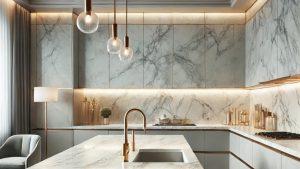
- White Marble: Classic Calacatta or Carrara marble brightens interiors with crisp white backgrounds and gray veining.
- Grey Marble: Offers a modern, neutral look that coordinates well with black metal accents and warm timber.
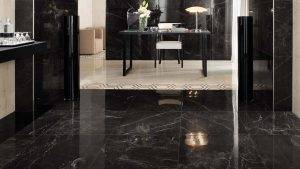
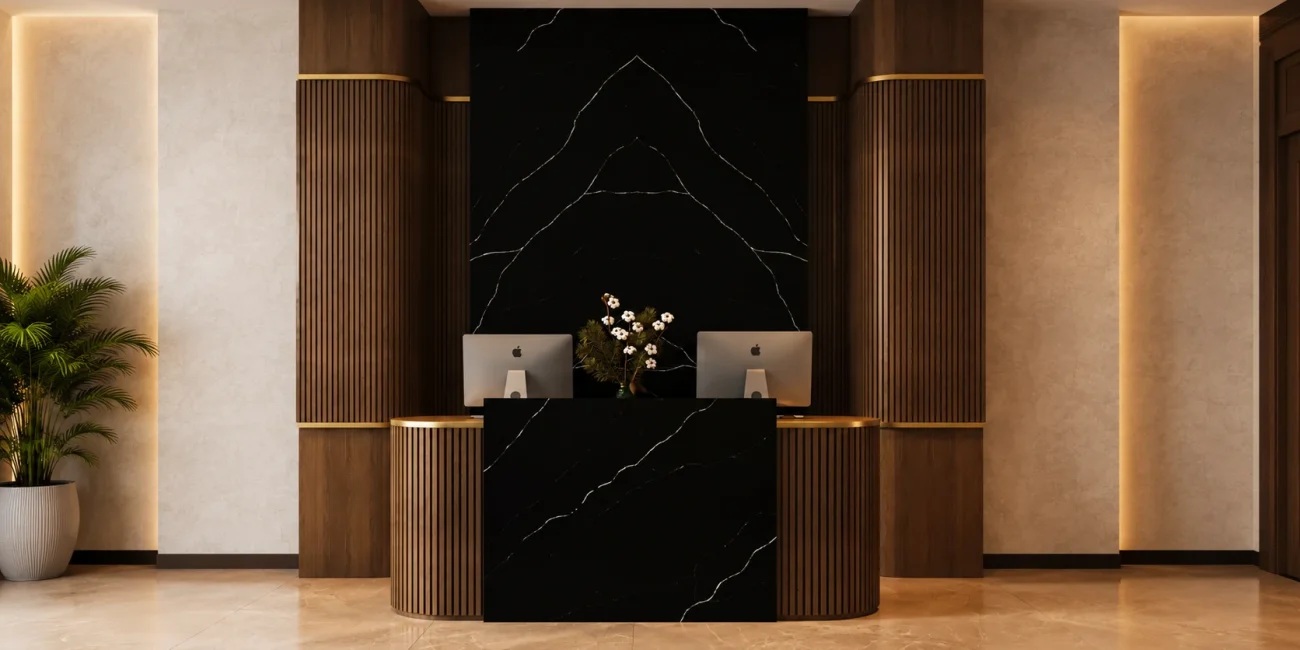
- Black Marble: Nero Marquina brings drama and depth, ideal for moody powder rooms and luxury feature walls.
- Bookmatched Marble: Mirror-imaged slabs installed side-by-side create a continuous, symmetrical pattern across large walls.
- Textured & Honed Marble: Matte or fluted surfaces soften light reflections for a subtle look.
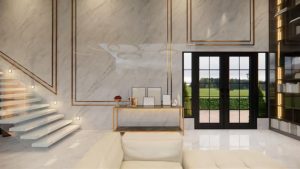
Best Applications: High-impact spaces like living room TV walls, main reception foyers, grand staircases, and master en-suite bathrooms showcase marble wall cladding designs to full effect.
Why Marble Wall Cladding Is Popular in Dubai
In regions like Dubai, high-end design is a standard feature of modern architecture. The local climate and property styles make stone cladding a practical choice for luxury homes.
- Luxury Villas & High-Rise Apartments: Grand ceiling heights and open layouts pair naturally with large-format marble slabs.
- Hotels & Fine Dining: High-traffic venues choose marble to create memorable spaces that handle heavy daily use.
- Cooling Climate Suitability: Natural stone stays cool to the touch, helping keep indoor areas comfortable in warm weather.
- Durability: Quality marble resists fading under intense sunlight, maintaining its appearance for decades.
How to Choose the Right Wall Cladding
Selecting the right material comes down to balancing style, room moisture, and budget constraints.
- Assess Room Moisture: Use waterproof materials like PVC, WPC, or sealed marble in bathrooms. Reserve natural timber for dry living areas.
- Consider Lighting Conditions: Dark stone can swallow light in low-lit rooms. Opt for polished light marble or reflective glass if your space lacks natural windows.
- Evaluate Traffic Levels: Choose scratch-resistant engineered stone or granite for family hallways and dining zones.
- Match Your Design Style: Pair raw concrete or metal with industrial decor; use smooth marble or wood slats for modern homes.
Which Wall Cladding is Right for You
Choosing the best wall cladding depends on where it will be installed, how much maintenance you’re willing to do, and the style you want to achieve. Use this quick guide to find the material that best matches your needs.
|
If You Want… |
Choose… |
Why It Works |
|
A luxurious, timeless interior |
Marble Wall Cladding |
Delivers unmatched elegance, natural veining, and lasting value. |
|
A durable, family-friendly surface |
Quartz or Engineered Stone Cladding |
Resists stains, scratches, and everyday wear with minimal maintenance. |
|
A warm, natural aesthetic |
Wooden Wall Cladding |
Adds texture, warmth, and character to bedrooms, living rooms, and home offices. |
|
A waterproof solution for wet areas |
PVC or WPC Wall Cladding |
Performs well in bathrooms, kitchens, and other moisture-prone spaces. |
|
A modern, industrial look |
Metal or Concrete Wall Cladding |
Creates clean lines and contemporary architectural appeal. |
|
An exterior finish that withstands the elements |
Natural Stone Cladding |
Offers exceptional durability and weather resistance for outdoor applications. |
|
A bright, modern living room |
Marble or Quartz Wall Cladding |
Creates an elegant feature wall while reflecting natural light beautifully. |
|
A low-maintenance wall finish |
Quartz, PVC, or WPC Cladding |
Requires little upkeep while maintaining its appearance for years. |
The right wall cladding isn’t necessarily the most expensive option; it’s the one that complements your space, suits your lifestyle, and delivers the ideal balance of aesthetics, durability, and long-term performance.
Wall Cladding vs. Paint vs. Wallpaper
Deciding between wall finishes? Here is how cladding compares to traditional wall paint and wallpaper:
|
Feature |
Wall Cladding |
Wall Paint |
Wallpaper |
|
Durability |
Exceptional (20–50+ years) |
Low (Needs repainting in 3–5 years) |
Moderate (Peels in 5–7 years) |
|
Initial Cost |
Moderate to High |
Low |
Low to Moderate |
|
Visual Depth |
3D tactile texture & dimension |
Flat 2D finish |
Flat pattern or subtle texture |
|
Maintenance |
Simple wipe-clean |
Requires patching & painting |
Sensitive to moisture & tears |
|
Moisture Shield |
High (waterproof options) |
Poor (shows water stains) |
Low (peels in humidity) |
Wall Cladding Design Trends
Interior design continues to favor rich textures and clean, seamless architectural details.
- Fluted & Ribbed Panels: Concave vertical grooves create soft shadow patterns across living rooms and bed headboards.
- Large-Format Stone Slabs: Continuous, full-height stone panels eliminate visible grout lines for a smooth finish.
- Seamless Quartz Surfacing: Matching wall panels directly to countertop surfaces creates a clean look in kitchen spaces.
- Vertical Wood Slats: Floor-to-ceiling timber slats add height while dampening acoustics in open-plan layouts.
- Mixed Material Walls: Combining cool marble slabs with warm timber trim adds visual contrast.
Common Mistakes to Avoid
- Choosing Style Over Practicality: Installing porous timber in high-moisture bathrooms leads to warping over time.
- Ignoring Room Lighting: Dark stone cladding without warm accent light can make a small room feel dim and cramped.
- Incorrect Installation: Skipping proper wall leveling or moisture barriers causes panels to shift over time.
- Overusing Heavy Textures: Cladding every wall in a room creates visual clutter. Focus on one clear feature wall instead.
Wall Cladding Maintenance Tips
Keeping your wall cladding looking new requires minimal effort when done correctly:
- Regular Dusting: Clean textured wood and stone slats bi-weekly using a soft microfiber feather duster.
- Wipe Down Smooth Surfaces: Clean marble, quartz, and PVC panels with warm water and a mild, pH-neutral soap.
- Avoid Harsh Chemicals: Never use acidic tile cleaners, bleach, or abrasive pads on natural stone or wood finishes.
- Seal Natural Stone Annually: Apply a penetrating stone sealer to natural marble or granite once a year to prevent liquid stains.
Conclusion
Wall cladding has become one of the most effective ways to enhance both the appearance and performance of modern homes and commercial spaces. Whether you choose marble for timeless luxury, wood for warmth, quartz for low maintenance, or WPC for moisture resistance, each option offers unique advantages when used in the right setting.
The best wall cladding designs are those that complement your interior rather than overpower it. By understanding the different types of wall cladding, comparing materials, following current design trends, and avoiding common installation mistakes, you can make a confident decision that delivers lasting value.
Investing in high-quality wall cladding is not just about creating beautiful walls; it’s about designing spaces that are durable, functional, and visually appealing for years to come.
Frequently Ask Question
What is wall cladding?
Wall cladding is a decorative and protective layer installed over a wall’s surface to improve its appearance, durability, and performance. It is available in materials such as marble, stone, wood, quartz, PVC, metal, and WPC, making it suitable for both interior and exterior applications.
What are the different types of wall cladding?
The most common types of wall cladding include marble, natural stone, quartz, wood, WPC (Wood Plastic Composite), PVC, metal, glass, brick, and concrete cladding. Each material offers unique benefits in terms of aesthetics, durability, maintenance, and suitability for different spaces.
Which wall cladding is best for interiors?
The best wall cladding for interiors depends on your design style, budget, and maintenance preferences. Marble and quartz are ideal for creating luxurious feature walls, while wood adds warmth, WPC offers durability, and PVC is a practical choice for moisture-prone areas.
Which wall cladding is waterproof?
PVC, quartz, WPC, and certain natural stone cladding options are highly resistant to moisture, making them suitable for bathrooms, kitchens, and other damp environments. Proper installation and sealing further improve their water resistance and longevity.
Is marble wall cladding expensive?
Yes, marble wall cladding is generally more expensive than many other wall finishes because it is a premium natural material. However, its timeless appearance, durability, and ability to increase the visual appeal of a space often makes it a worthwhile long-term investment.
Can wall cladding be installed over existing walls?
Yes, wall cladding can often be installed over existing walls if the surface is clean, stable, dry, and structurally sound. The installation method depends on the cladding material and the condition of the existing wall.
What is the difference between wall cladding and wall paneling?
Wall cladding is primarily designed to protect and enhance walls using durable materials such as stone, marble, or quartz, while wall paneling is mainly decorative and commonly made from wood, MDF, or similar materials. Cladding generally offers greater durability and is suitable for both interior and exterior applications.
Which wall cladding is best for living rooms?
Marble, quartz, wood, and stone are among the best choices for living room wall cladding. These materials create elegant feature walls, add texture and depth, and enhance the overall aesthetics of the space while complementing modern and traditional interiors.
How long does wall cladding last?
High-quality wall cladding can last anywhere from 20 to 50 years or more, depending on the material, installation quality, and maintenance. Natural stone and quartz are particularly durable, while regular cleaning and proper care help maximize their lifespan.
Is wall cladding easy to maintain?
Yes, most modern wall cladding materials require minimal maintenance. Regular dusting, occasional cleaning with a soft cloth and mild detergent, and following the manufacturer’s care recommendations are usually enough to keep the surface looking its best.
Which wall cladding is popular in Dubai?
Marble, quartz, natural stone, and WPC wall cladding are among the most popular choices in Dubai. These materials combine premium aesthetics with durability, making them well-suited for luxury homes, apartments, hotels, offices, and commercial interiors across the region.